Smart Sprinkler Controller Guide: WiFi vs Bluetooth for Australian Gardens
Quick summary: A smart sprinkler controller replaces your old dial timer with an app-controlled brain that adjusts watering based on weather, soil and local restrictions. WiFi models offer remote control from anywhere and richer weather data, while Bluetooth models are cheaper, simpler and don't rely on your home internet. Most retrofit onto existing valve wiring in under an hour, and either type can save the average Australian household $200–$400 a year on water bills.
Why Upgrade to a Smart Sprinkler Controller
If you're still walking outside to twist a dial or reset a timer after a storm, you're wasting water — and money.
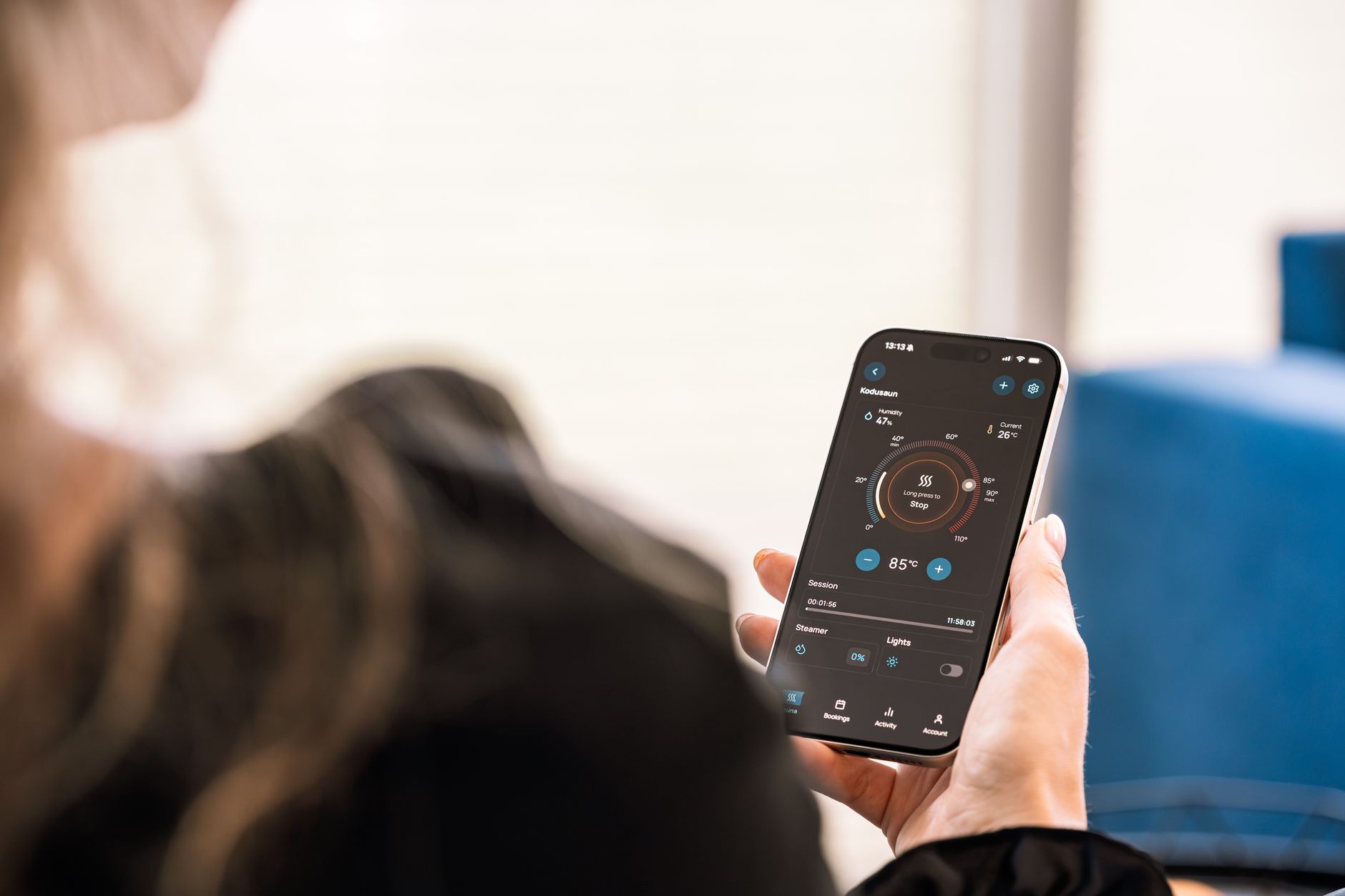
A smart sprinkler controller automates all of that. It connects to weather forecasts, skips watering when rain is coming, and lets you adjust every zone from your phone instead of standing at a wall-mounted box in the sun.
For established Australian gardens, this matters more than it might in other climates. Our summers swing from 20°C mild spells to 40°C heatwaves within a week, and most capital cities have some form of permanent water-wise scheduling in place.
Water Savings and Restriction Compliance
The average manual system overwaters by 30–50%, mostly because homeowners set a schedule once and forget it.
Smart controllers use evapotranspiration data (how fast moisture leaves soil and plants) combined with local rainfall forecasts to trim watering automatically. Brands like Rachio 3 smart sprinkler controller and Hunter's Hydrawise range both claim average savings of around 30% on outdoor water use, which lines up with real-world reports from Australian users on tank or metered supply.
For anyone on a water meter in Sydney, Melbourne or Perth, that's a genuine dent in quarterly bills — often $150–$300 a year depending on garden size.

WiFi vs Bluetooth Sprinkler Controllers Explained
This is the decision most buyers get stuck on, so let's break it down properly.
WiFi irrigation controllers connect directly to your home network and, through it, to the internet. This means the manufacturer's servers can pull live Bureau of Meteorology-style weather data and push it to your controller automatically, and you can control watering from anywhere — the office, holiday house, or overseas.
Bluetooth sprinkler timers connect only to your phone when you're within range (usually 10–30 metres). There's no cloud weather integration in most cases, and no remote access once you've walked away from the property.
Range, Reliability and Connectivity Issues
WiFi controllers depend on your home network reaching the garage, shed or external wall where the controller usually lives. If your router is on the other side of the house, you may need a WiFi extender — budget another $40–$80 for something like a TP-Link RE220 WiFi extender .
Bluetooth units skip that problem entirely because they don't need your home network at all. But that's also their biggest limitation: is a Bluetooth sprinkler controller reliable without home WiFi? Yes, for basic scheduled watering — it'll run programmed cycles fine with no connection at all. What it won't do is adjust automatically for rain or heat unless you manually open the app and change something while standing nearby.
Which Option Suits Your Garden Setup
Should I choose WiFi or Bluetooth for my sprinkler controller? As a rule of thumb:
- Choose WiFi if you travel often, want automatic weather-based adjustments, or have a large or complex garden with multiple zones.
- Choose Bluetooth if you're rarely away from home for long, want a simpler cheaper setup, or have patchy WiFi reception outdoors.
| Feature | WiFi Controller | Bluetooth Controller |
|---|---|---|
| Remote access from anywhere | Yes | No (must be in range) |
| Automatic weather adjustment | Yes | Limited/manual |
| Typical price | $180–$350 | $80–$150 |
| Setup complexity | Moderate | Easy |
| Works if internet drops out | Runs last schedule only | Fully independent |
| Best for | Large/complex gardens, frequent travellers | Small gardens, budget buyers |
Compatibility With Existing Irrigation Systems
Will a smart sprinkler controller work with my existing irrigation system? In the vast majority of Australian homes, yes.
Most established systems use standard 24V AC solenoid valves, which is exactly what controllers like Rachio, Hydrawise and Orbit B-hyve smart sprinkler timer are built to run. If your existing controller has a similar wall-mounted box with numbered wire terminals, a smart replacement will almost certainly slot straight in.
The exceptions are older mechanical or hydraulic valve systems (rare, mostly pre-1990s), or battery-operated single-zone tap timers, which need a different category of smart product entirely — like a WiFi-enabled hose tap timer rather than a full controller.
Checking Your Valve Wiring and Zones
Before buying, open your existing controller and note:
- How many zones/stations are wired in (each pair of wires is usually one zone)
- Whether it's 24V AC (standard) — check the existing transformer/power pack rating
- Whether there's a "common" wire shared across all valves (there almost always is)
Take a photo of the wiring terminals on your phone before you buy — most Bunnings or Total Tools staff can confirm compatibility on the spot if you show them the photo.
Weather Integration and Smart Scheduling
This is where WiFi models earn their higher price tag. Once connected, they automatically:
- Skip watering when rain is forecast or has recently fallen
- Extend watering during heatwaves
- Adjust for wind (reducing spray drift and evaporation)
- Factor in soil type and plant type per zone, if you set it up correctly during onboarding
Hydrawise and Rachio both use hyper-local weather station data rather than generic city-wide forecasts, which matters in a country as climate-varied as Australia — Western Sydney can be 8°C hotter than the coast on the same day.

Water Restriction Compliance Features by State
How do smart sprinkler controllers help with water restrictions in Australia? Most permanent water-wise rules restrict sprinkler and irrigation system use to specific days and time windows (commonly before 10am or after 4pm, and often only on odd/even days based on street number).
Good smart controllers let you lock in these rules once and forget them:
- Victoria (Melbourne Water permanent water saving rules): odd/even day watering, before 10am/after 8pm — programmable directly into most controllers' schedule rules.
- NSW (Sydney Water): no permanent day restrictions currently, but drought-level rules can be reactivated — smart controllers make it easy to switch schedules quickly if that happens.
- South Australia (SA Water): watering only before 10am or after 6pm depending on system type.
- Queensland: varies by council — some (like Brisbane) have no set days but request sensible use; check your local council site.
- WA (Water Corporation): two-day-a-week roster based on address, seasonally enforced — this is the strictest and where a smart controller's rule-locking feature is genuinely useful.
Set the restriction rule once as a "schedule constraint" in the app, and the controller will simply refuse to water outside it — useful if you've got a partner or gardener who might otherwise override the timer.
Setup Difficulty: DIY vs Professional Install
How hard is it to install a smart irrigation controller myself? For most homes, it's a genuinely manageable weekend job — not an electrician-level task.
The typical process:
- Turn off power to the old controller
- Photograph and label existing wiring
- Remove old unit, mount new one (same holes usually line up)
- Transfer wires one terminal at a time
- Connect to WiFi/Bluetooth and run a test cycle on each zone
Budget 45–90 minutes if you're comfortable with basic tools. A Ryobi cordless drill driver handles the mounting screws easily.
If your system has more than 8 zones, a mix of pumps and valves, or you're not confident around low-voltage wiring, it's worth paying a licensed irrigation contractor — expect to pay $150–$250 for installation on top of the unit cost.
Ongoing Costs: Apps, Subscriptions and Sensors
How much does it cost to run a smart sprinkler controller each month? For most models, nothing extra — the core scheduling and app control is free forever after the initial purchase.
Where costs can creep in:
- Premium weather/analytics tiers: Hydrawise offers a paid tier (around $3–$8/month) for advanced reporting, though the free tier covers most home needs.
- Add-on sensors: soil moisture sensors ($40–$90) or rain sensors ($30–$60) are one-off purchases, not subscriptions.
- Replacement batteries: Bluetooth units running on battery power need AA replacements every 6–12 months.
For the vast majority of homeowners, a one-off purchase of $100–$300 is the total lifetime cost — no ongoing subscription required.
Top Smart Sprinkler Controllers for Australian Conditions
What is the best smart sprinkler controller for Australian gardens? It depends on garden size and budget, but three stand out consistently in Australian reviews and forums:
- Rachio 3 smart sprinkler controller (~$280): Best all-rounder, excellent weather intelligence, supports up to 16 zones, works with Google Home and Alexa.
- Orbit B-hyve smart sprinkler timer (~$150): Solid mid-range WiFi option, good app, widely stocked at Bunnings.
- Hunter Hydrawise HC-6 (~$220): Great for larger or more complex gardens, strong local weather station integration.
- Budget Bluetooth option — RainPoint smart timer (~$90): Simple, no subscription, good for small courtyard gardens or renters.

Final Buying Checklist
Before you buy, confirm:
- ✅ Number of zones your garden needs vs controller capacity
- ✅ WiFi signal strength at the controller's mounting location (or go Bluetooth if weak)
- ✅ Voltage compatibility (24V AC standard for most Aussie systems)
- ✅ Your state/council's current water restriction rules
- ✅ Whether you want app-only control or voice assistant integration
- ✅ Budget for optional soil moisture or rain sensors
Bottom Line
For most established Australian gardens, a WiFi smart sprinkler controller like the Rachio 3 or Orbit B-hyve delivers the best mix of water savings, restriction compliance and convenience — provided your WiFi actually reaches the garden.
If your signal is patchy or you just want something simple and subscription-free, a Bluetooth sprinkler timer will still save water over a manual dial system, just without the automatic weather smarts.
Either way, retrofitting is easier than most homeowners expect, and the payback in reduced water bills usually arrives within the first one to two seasons.