Ducted vs Split System Air Conditioning: Which is Better for Australian Homes?
Quick summary: Split system aircon is cheaper upfront and better suited to small homes, apartments or single-room cooling, with unit prices from around $600–$2,500 installed per room. Ducted air conditioning costs more ($8,000–$18,000+) but delivers whole-house comfort with hidden outlets and zoning. The right choice depends on your home's size, ceiling space, budget and whether you're cooling one room or the whole house.
Ducted vs Split System Air Conditioning at a Glance
If you're staring down a summer of sweaty nights, you've probably already narrowed it down to these two options. Both do the same basic job — moving heat out of your home — but they go about it very differently.
Split systems are individual units, one indoor head per room, each with its own outdoor compressor (or sharing one via a multi-head setup). Ducted systems hide almost everything in the roof space, delivering conditioned air through ceiling vents connected to a single central unit.
Neither is objectively "better" — it depends entirely on your home. A two-bedroom unit and a five-bedroom double-storey house have very different needs.
How Each System Works
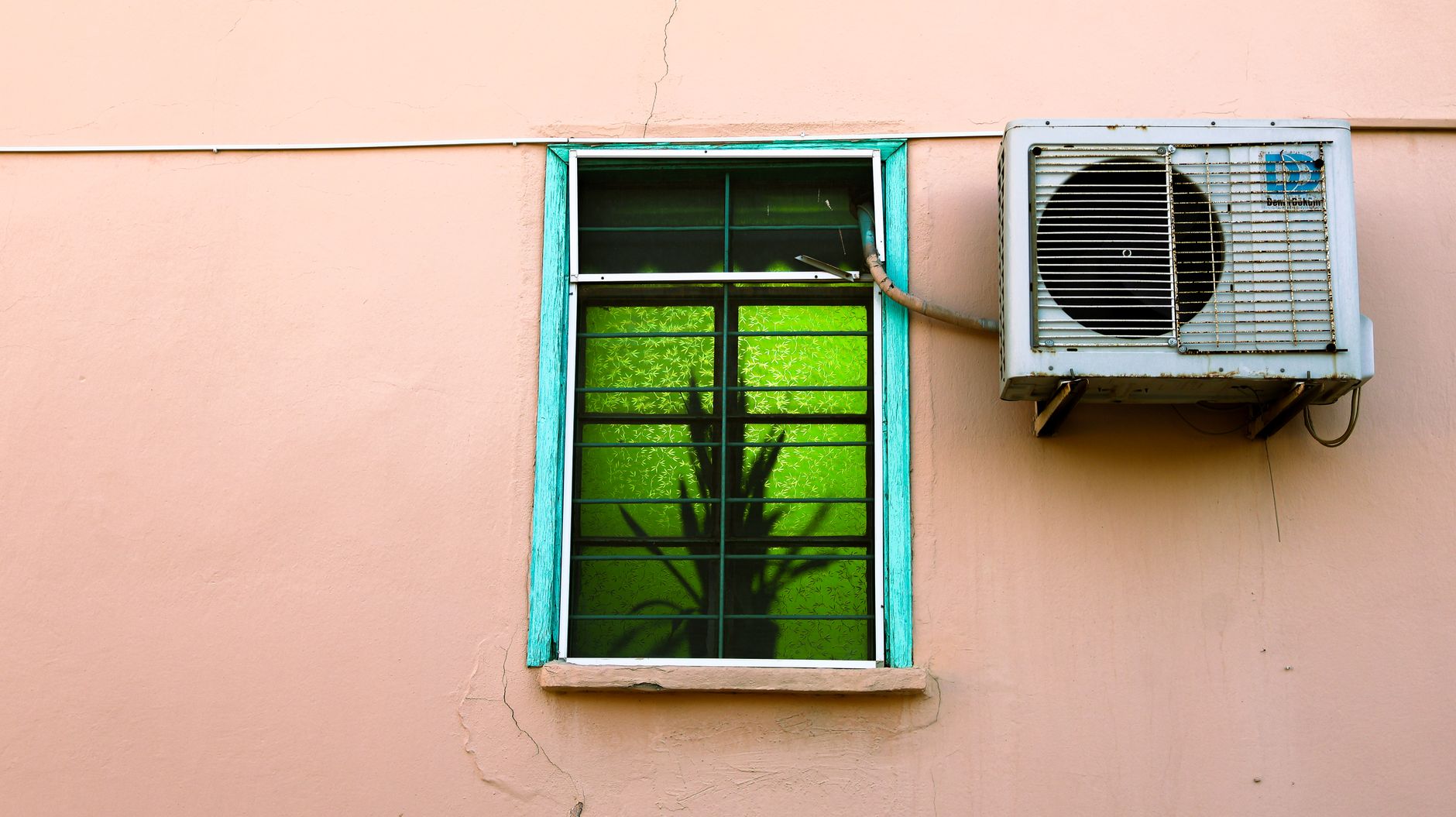
A split system aircon has two main parts: the indoor wall-mounted unit you see, and the outdoor compressor bolted to an external wall or slab. A copper pipe and cable run between them through a small hole in the wall. Each indoor head cools (or heats) the room it's installed in, independently of any others.
Ducted air conditioning uses one large indoor unit, usually installed in the roof cavity, connected to a network of insulated ducts that run to ceiling diffusers in each room. A single outdoor condenser powers the whole system. Because it's centrally controlled, you get even, consistent temperatures throughout connected rooms — assuming the system is zoned properly.

Upfront Installation Costs Compared
This is usually where the decision starts and ends for a lot of homeowners.
How much does it cost to install ducted air conditioning in Australia? For a typical three- to four-bedroom home, expect to pay somewhere between $8,000 and $16,000 fully installed, depending on the number of zones, ductwork complexity, and the brand and capacity of the unit. Larger homes or premium brands like Daikin ducted air conditioning system can push costs towards $18,000–$20,000.
Split systems are far cheaper per unit. A single-room split system, say a 2.5kW to 3.5kW unit for a bedroom, typically costs $600–$1,200 for the unit plus $400–$800 for standard installation. Larger 7kW–8kW units for living areas run $1,500–$2,500 installed. Multi-head systems (one outdoor unit running two to five indoor heads) sit somewhere in between, often $4,000–$9,000 for a whole-home setup.
| Factor | Ducted System | Split System |
|---|---|---|
| Typical upfront cost (whole home) | $8,000–$18,000+ | $4,000–$9,000 (multi-head) |
| Cost per room (single unit) | N/A (whole-home system) | $1,000–$2,500 installed |
| Installation time | 2–5 days | Half a day to 2 days |
| Visible indoor unit | No (ceiling vents only) | Yes (wall-mounted head) |
| Best suited to | Whole-house cooling | Single rooms or zones |
| Zoning flexibility | Excellent (with zone controllers) | Good (independent units) |
Retrofitting an Existing Home
Can you install ducted air conditioning in an existing house? Yes, but it's a bigger job than a new build. Installers need accessible roof space to run ductwork, and homes with low-pitched roofs, cathedral ceilings, or minimal roof cavity can be tricky or impossible without major modification.
Brick veneer and timber-frame homes with standard pitched roofs are usually straightforward. Older homes with limited roof access, or homes with concrete slab ceilings and no roof void, are far better suited to split systems instead. A licensed installer from a company like Total Tools' trade network or a local air conditioning specialist should always do a site inspection before you commit to a ducted quote.
Running Costs and Energy Efficiency
Which is cheaper to run, ducted or split system air conditioning? Generally, split systems cost less to run because you only cool the rooms you're using. Running one 3.5kW split system in a bedroom overnight costs a fraction of running a ducted system across an entire house.
Ducted systems can rack up higher running costs if they're not zoned properly, since older or budget systems sometimes push air to every room whether it's occupied or not. Modern ducted systems with multi-zone controllers largely solve this by letting you shut off airflow to unused rooms, closing much of the running-cost gap.
As a rough guide, a well-used ducted system in a Melbourne or Sydney home might add $600–$1,200 a year to electricity bills over a full cooling and heating season. A couple of split systems used selectively often costs $200–$500 a year in comparison — though this varies hugely based on climate, usage patterns and star rating.
Look for a high energy star rating regardless of which system you choose. A unit like the Mitsubishi Electric split system air conditioner with a 6+ star cooling rating will use noticeably less power than a 3-star budget alternative of the same capacity.
Impact of Ceiling Type and Home Size
Homes with high, well-insulated ceilings lose less conditioned air and generally run more efficiently with either system. Poorly insulated roof spaces make ducted systems work harder, since ducts run through that same uninsulated cavity and can lose several degrees of cooling before air even reaches the room.
Larger homes with open-plan zones tend to favour ducted systems for even coverage, while smaller or older homes with poor insulation often get better bang-for-buck from targeted split systems in the rooms actually used daily.
Which Suits Your Home Layout?
Is ducted or split system air conditioning better for Australian homes? Honestly, it depends more on your floor plan than the climate zone you're in. Here's how it breaks down by home type.
Small Homes and Apartments
For units, townhouses and smaller three-bedroom homes, split systems almost always make more financial sense. There's rarely enough roof cavity for ductwork anyway, and running one or two split systems in the living area and main bedroom covers most cooling needs without the expense of a whole-home system.
What size split system air conditioner do I need for my room? As a rough rule of thumb, allow 120–150 watts of cooling capacity per square metre of room, then adjust for ceiling height, insulation and window size. A standard bedroom (around 15–20m²) typically needs a 2.5kW–3.5kW unit, while an open-plan living/kitchen area of 40m² or more usually needs 7kW–8.5kW. A LG 7kW split system air conditioner is a popular size for larger living rooms in Australian homes. Always get an installer to do a proper heat-load calculation rather than guessing — undersizing a unit means it runs constantly and still can't keep up.
Larger Homes and Open-Plan Living
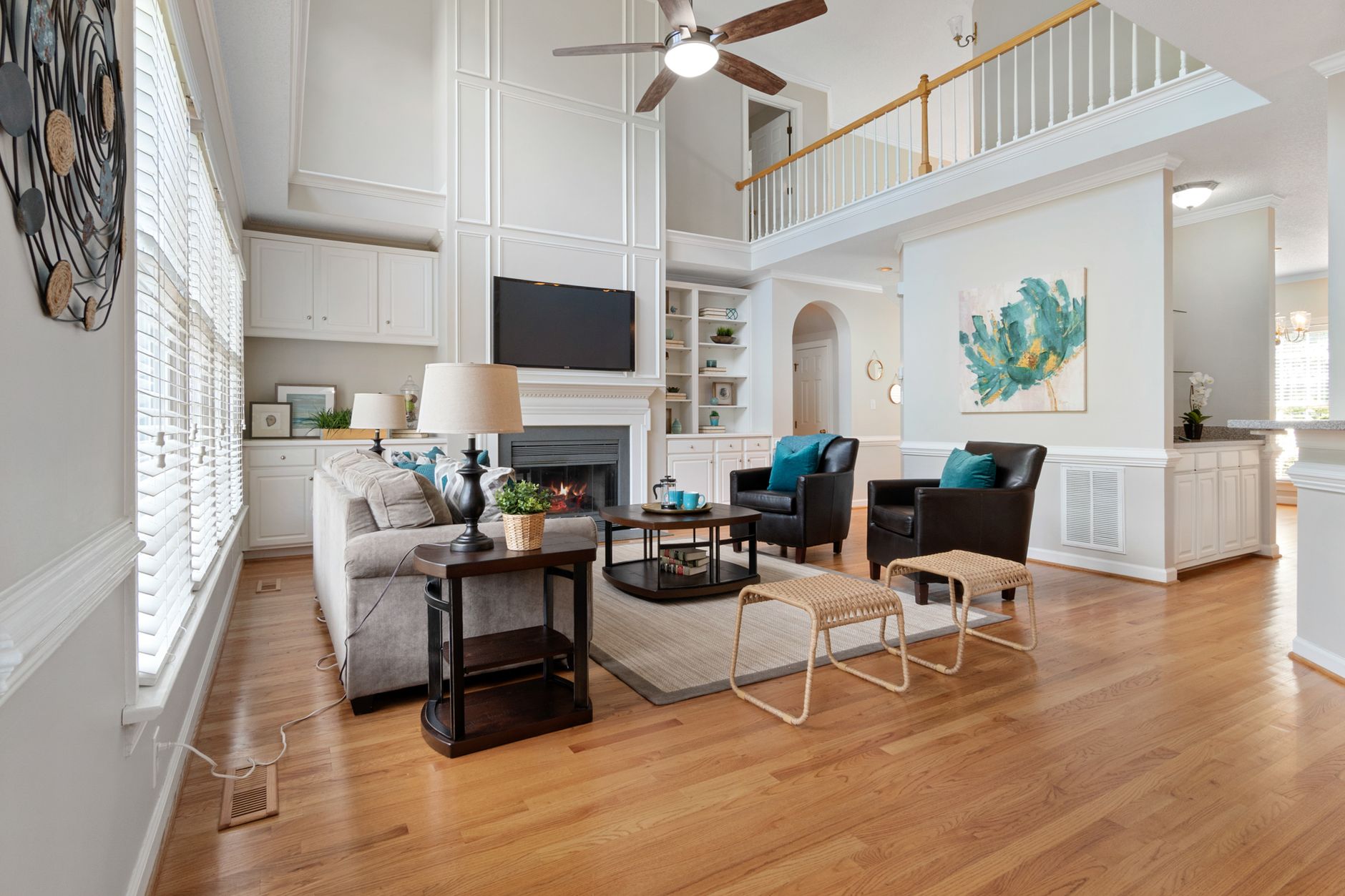
Once you're cooling four or more rooms regularly, ducted systems start to make more sense both financially and practically. Instead of multiple outdoor compressors cluttering the exterior of your home, you get one discreet outdoor unit and clean ceiling vents throughout.
Open-plan living and dining areas particularly benefit from ducted systems, since a single split system head often struggles to evenly cool a large, irregularly shaped space with poor air circulation to far corners.

Smart Control and Zoning Options
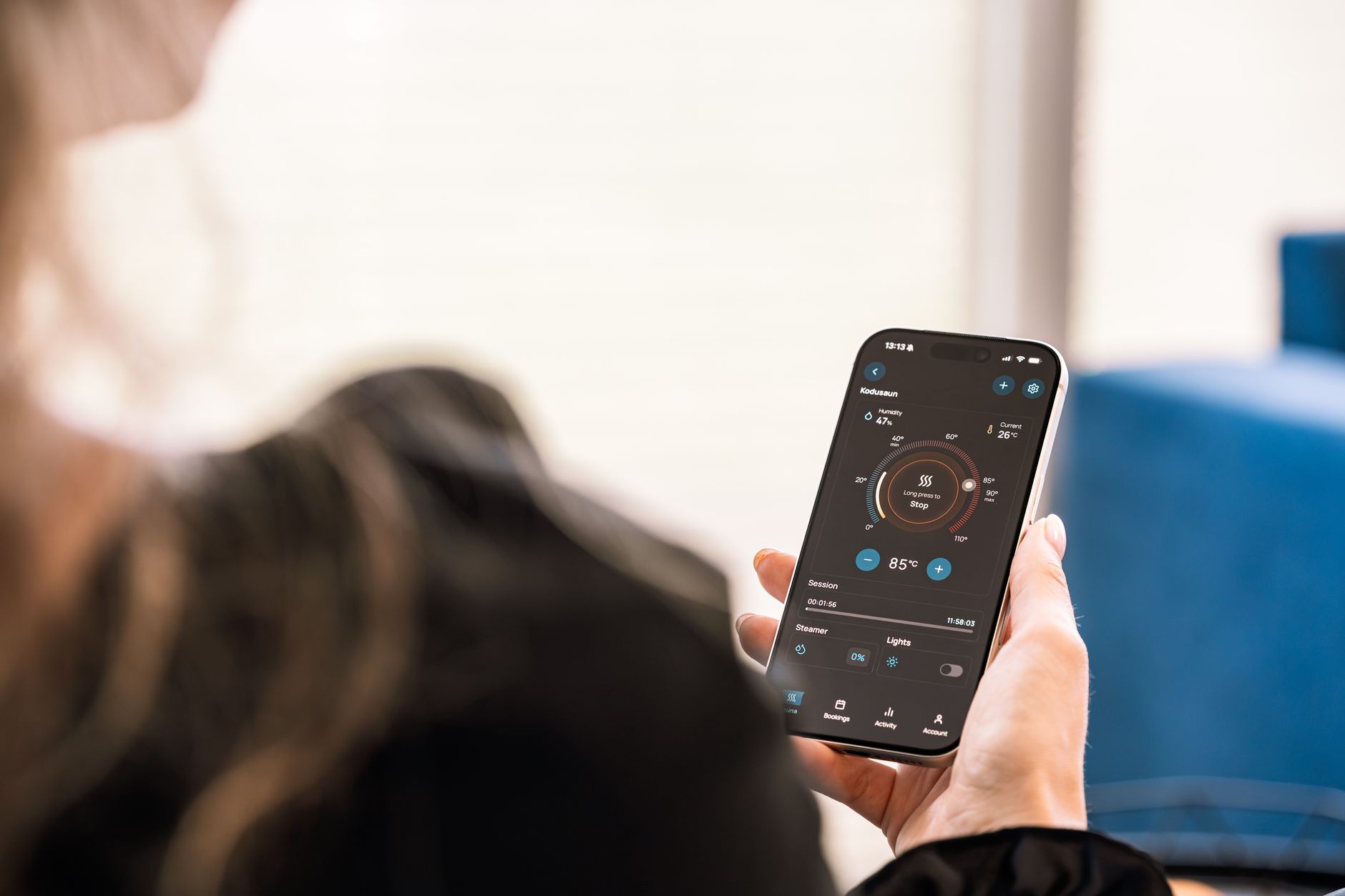
Both systems now offer solid smart home integration. Most modern split systems come with Wi-Fi apps allowing remote scheduling and temperature control, and many are compatible with Google Home or Amazon Alexa.
Ducted systems typically use a wall-mounted zone controller, letting you group rooms into zones (e.g. "bedrooms" and "living areas") and set different temperatures or turn zones off entirely. Higher-end controllers like Daikin's zone panels or Actron's Que system also offer smartphone app control, geofencing (turning on cooling as you approach home), and usage reporting to track running costs.
If flexibility matters to you, look for ducted systems with at least four to six zones rather than a single whole-house zone — the extra cost is usually a few hundred dollars and pays for itself in running-cost savings.
Making the Final Decision
There's no universally "better" system — it comes down to your home's size, layout, budget and how you actually live. A single professional, a couple, or a small household in an apartment rarely needs the expense of ducted air conditioning. A family in a large four-bedroom home with open-plan living will likely find split systems in every room both unsightly and less effective than one well-zoned ducted system.
Budget is the other big factor. If your air conditioning cost ceiling sits under $10,000, split systems (potentially a multi-head setup) will stretch further than a compromised, undersized ducted system.
Questions to Ask Your Installer
Before signing anything, ask your installer:
- Can you provide a room-by-room heat-load calculation, not just a rough estimate?
- How many zones will the ducted system have, and can zones be added later?
- What's the warranty on parts, labour and the compressor separately?
- Is my roof cavity suitable for ductwork, and will any structural work be needed?
- What's the expected energy star rating and estimated annual running cost?
A good installer should happily answer all of these before you commit to a quote.
Bottom Line
For most small to mid-sized Australian homes, split systems offer the best balance of upfront cost, flexibility and running efficiency — especially if you're only cooling one or two rooms regularly. For larger homes, especially those with open-plan living and multiple bedrooms needing consistent comfort, ducted air conditioning's higher upfront cost is often justified by better aesthetics, even cooling and long-term convenience. Get quotes for both from a licensed installer before deciding — a proper site assessment will tell you more than any online guide can.