How to Install Smart Light Switches Without Neutral Wire: Australian Wiring Guide
Quick summary: Many older Australian homes were wired without a neutral conductor at the light switch, which trips up plenty of DIYers trying to install smart switches. The good news is you've got options — two-wire compatible smart switches, smart bulbs, or a licensed sparky adding a neutral. This guide explains how to check your wiring, which products actually work, and when to stop DIYing and call an electrician.
Smart light switches are one of the easiest home automation upgrades — until you unscrew the wall plate and find only two wires instead of three. If that's you, don't panic and don't return the switch just yet.
This is an incredibly common problem in Australian homes built before the 1980s, and there are legitimate workarounds that don't involve ripping open your walls.
What a Neutral Wire Does and Why It Matters
In a standard Australian circuit, the neutral wire completes the electrical loop back to the switchboard. Most smart switches need this constant, low-level power draw to keep their Wi-Fi or Zigbee radio alive, even when the light is switched off.
A traditional "dumb" switch doesn't need neutral — it just interrupts the active (live) wire to break the circuit. That's why your old mechanical switch worked fine with just two wires, but your new smart switch is asking for a third one it can't find.
Without neutral, the smart switch has to draw its standby power through the light fitting itself, which is where problems like flickering start.
Common Wiring in Pre-1980s Australian Homes
Houses built before the 1980s in Australia were typically wired with the assumption that switches only needed to interrupt the active wire. Electricians ran a single active/switched-active pair to the switch and looped the neutral directly at the ceiling rose or light fitting, never bringing it down to the switch plate at all.
This was standard, compliant practice at the time — it just wasn't built with smart home tech in mind. Renovated homes and new builds since the 1990s are far more likely to have neutral present at every switch, since it's now commonly included as best practice, though not universally mandated by AS/NZS 3000 for all switch locations.
How to Check If Your Switch Has a Neutral Wire
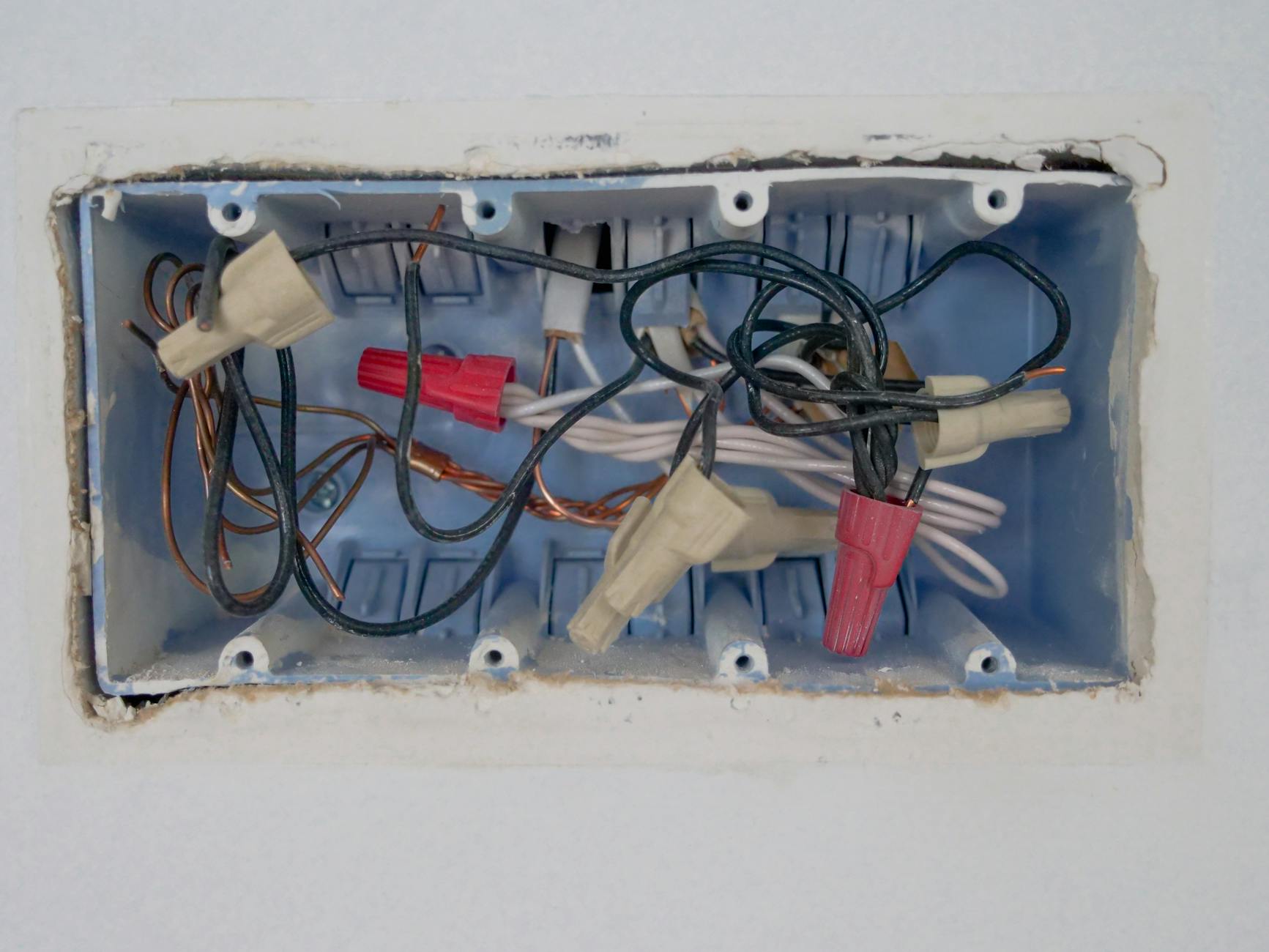
Before buying anything, switch off the circuit at your switchboard, then remove the switch plate.
If you see two wires (plus an earth, often bare copper or green/yellow), you likely have no neutral. If you see three insulated wires plus earth, you're in luck — neutral is usually the wire that's not connected to the switch itself, often capped off and tucked into the back of the box.
How do I know if my light switch has a neutral wire? The clearest sign is wire count. Two wires plus earth means active and switched-active only — no neutral. Three wires plus earth generally means neutral is present, though it pays to have an electrician confirm with a multimeter, since not every extra wire is actually a live neutral conductor.
Signs Your Home Lacks Neutral Wiring
Do older Australian homes have neutral wires at light switches? Often not. If your home was built before 1980 and hasn't had a full rewire, there's a good chance neutral wasn't run to the switch locations at all.
Other tell-tale signs include:
- Fabric-insulated or cloth-covered wiring still present elsewhere in the house
- Ceramic fuses (not circuit breakers) at your switchboard
- Two-wire switch boxes throughout the whole house, not just one room
- A previous owner or electrician mentioning "no neutral" when you asked about smart switches before
Smart Switch Options for No-Neutral Setups
Can you install a smart switch without a neutral wire in Australia? Is it safe? Yes, with the right product. Reputable manufacturers make switches specifically engineered for two-wire circuits, and used correctly, they're safe and compliant.
Two-Wire Compatible Smart Switches
A handful of brands make switches designed to work without neutral by managing power draw more cleverly, often via a small capacitor or bypass module.
The Sonoff Zbmini Extreme is a popular no-neutral-friendly option that fits behind existing wall plates and works with Zigbee hubs like Aqara or SmartThings, priced around $35–45.
The Aqara H1 wireless smart switch uses a battery-and-wireless approach that sidesteps the neutral requirement altogether, sitting around $55–70.
Some Clipsal Iconic and Legrand smart-enabled ranges also offer no-neutral compatible modules, though availability varies by retailer — check with your local Bunnings or an electrical wholesaler before buying.
Smart Bulbs vs Smart Switches as Alternatives
If your switch situation is genuinely tricky, smart bulbs sidestep the whole neutral problem entirely, since they plug into the existing light fitting and communicate over Wi-Fi.
The Philips Hue White and Colour Ambiance bulb (around $45–65 per bulb) or budget-friendly TP-Link Tapo L530E (around $18–25) are both solid choices.
The catch: your physical wall switch needs to stay permanently "on" for the bulb to remain controllable, which means retraining housemates or family not to flick it off out of habit.
| Option | Approx. Cost | Neutral Required? | Best For |
|---|---|---|---|
| Two-wire smart switch (Sonoff ZBMini) | $35–45 | No | Renters, minimal rewiring |
| Wireless smart switch (Aqara H1) | $55–70 | No | Battery-based, easy retrofit |
| Smart bulb (Philips Hue) | $45–65/bulb | No | Simplest no-wiring option |
| Standard smart switch (needs neutral) | $40–90 | Yes | Homes with neutral already present |
| Electrician adds neutral wire | $150–400+ | N/A | Long-term, most reliable fix |
Step-by-Step Installation Guide
Tools and Safety Gear You'll Need
- Non-contact voltage tester (around $20–30 at Bunnings or Total Tools)
- Insulated screwdriver set
- Wire strippers
- Insulation tape or wire nuts
- Torch or headlamp
- Safety glasses
Always confirm the circuit is dead at the switchboard before touching any wiring, even if you're only handling the switch face plate.
Wiring the Switch Safely
- Turn off the relevant circuit breaker at the switchboard.
- Test wires with a non-contact voltage tester to confirm power is off.
- Remove the old switch and note which wire connects where (photograph it).
- Connect the active and switched-active wires to the corresponding terminals on your two-wire compatible smart switch, following the manufacturer's instructions exactly.
- Secure the earth wire to the earth terminal.
- Mount the switch back into the wall plate, restore power, and test.
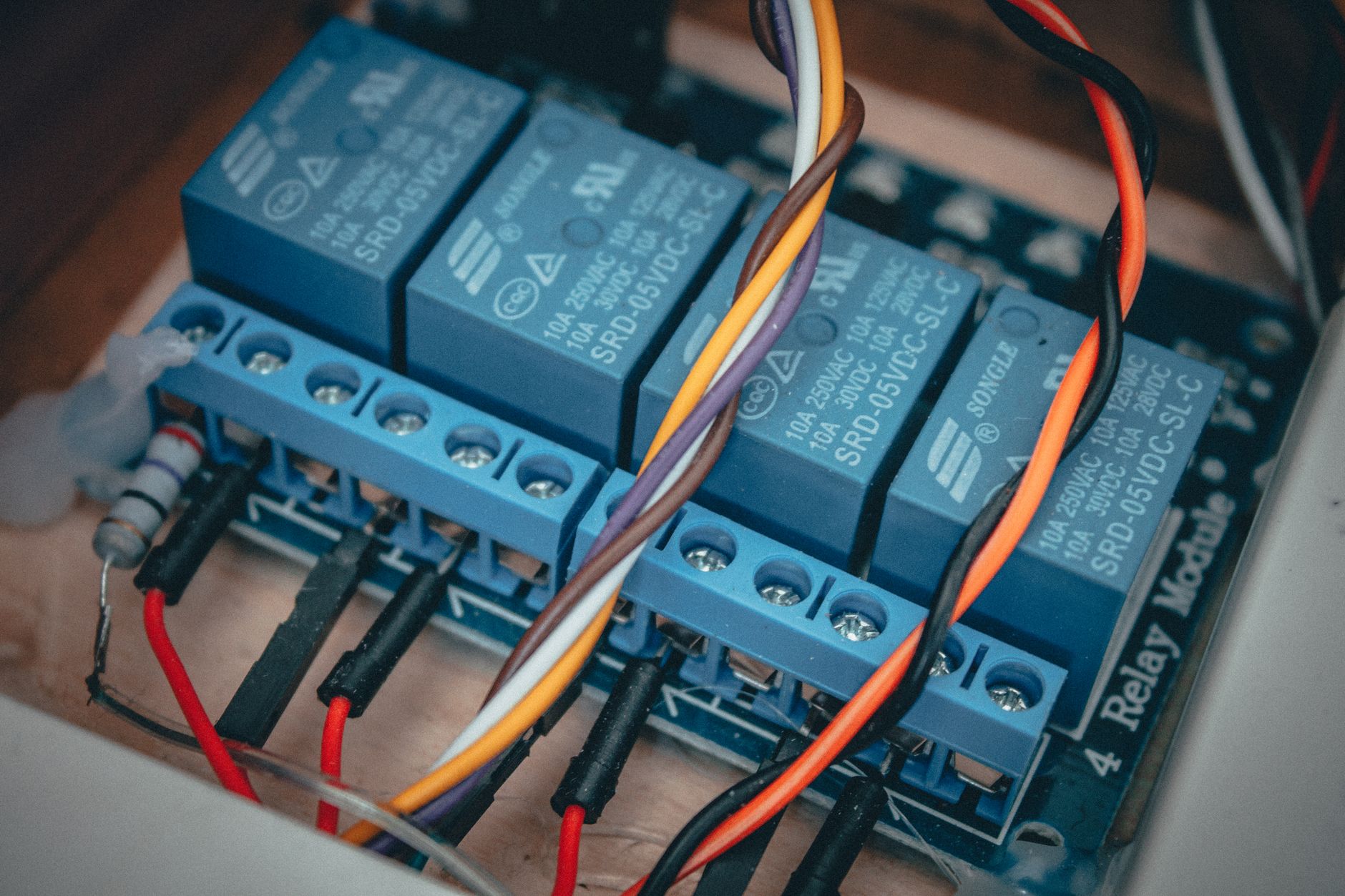
Is it safe to install a smart light switch without neutral wire? Yes, as long as you're using a product genuinely designed for two-wire circuits and you follow the manufacturer's wiring diagram precisely. It becomes unsafe when people try to force a neutral-required switch into a two-wire setup by improvising a "fake neutral," which can damage the switch, cause overheating, or void your home insurance.
Australian Electrical Standards and Compliance
Under AS/NZS 3000 (the Australian wiring standard), homeowners can generally replace a like-for-like switch themselves in most states, provided it's not a "prescribed electrical work" task requiring a licence. However, rules do vary by state — Victoria, for instance, is stricter about what DIYers can legally touch.
If your installation involves anything beyond swapping the switch itself — like running new cabling, adding a neutral wire, or working inside the switchboard — that's licensed electrician territory, full stop.
When You Need a Licensed Electrician
Call a licensed electrician if:
- Your switch box shows signs of old, brittle, or fabric-insulated wiring
- You're not confident identifying active, neutral, and earth
- You want a neutral wire actually run to the switch (a permanent fix)
- Your switchboard still uses ceramic fuses
- You're renovating multiple rooms and want it done properly, once
Expect to pay roughly $150–$400 for an electrician to add neutral wiring to a single switch, depending on wall access and how many walls need chasing into.
Troubleshooting Common No-Neutral Switch Issues
Why does my smart switch keep flickering the lights off? This is the single most common complaint with no-neutral smart switches. It happens because the switch draws tiny amounts of standby current through the bulb's filament or LED driver, which can cause visible flickering or a faint glow when the light is "off."
Fixes include:
- Installing a bypass capacitor (some brands include one in the box, others sell separately for around $10–15)
- Switching to LED bulbs specifically rated as "no-neutral switch compatible"
- Trying a different bulb brand — cheap LED drivers are often the culprit, not the switch
If the switch randomly disconnects from Wi-Fi or Zigbee, it may be struggling to maintain enough standby power — this is a sign the two-wire workaround is being pushed past its limits, and a proper neutral wire is the more permanent fix.
Frequently Asked Questions
What smart switches work without a neutral wire in Australia? Sonoff ZBMini Extreme, Aqara H1 (wireless), and select Clipsal Iconic smart modules are among the most reliably available options through Australian retailers.
Can I just leave the neutral capped off and use a normal smart switch? No — standard smart switches that require neutral simply won't function correctly, or safely, without one connected.
Will a no-neutral smart switch work with Google Home or Alexa? Most Zigbee and Wi-Fi based two-wire switches integrate fine with both, though check compatibility with your specific hub before buying.
The Bottom Line
Not having a neutral wire at your switch doesn't rule out home automation switches — it just narrows your options. Two-wire compatible smart switches or smart bulbs will get you 90% of the way there for a fraction of the cost of a rewire.
But if you're chasing rock-solid reliability, particularly in a room you'll automate heavily, getting a licensed electrician to run a proper neutral wire is the fix that will outlast every workaround on this list.