Quick summary: Start with a Google Nest Mini smart speaker or Amazon Echo Dot (
$49–$79) as your hub, then add Philips Hue smart bulbs or Govee smart light bulbs ($40–$80 per room). These two purchases unlock a huge smart home ecosystem and deliver immediate, daily value.
Why Starting a Smart Home Feels Overwhelming (And How to Fix It)
The smart home market in Australia is crowded with jargon — Zigbee, Z-Wave, Matter, Thread, HomeKit — and it's easy to buy devices that don't talk to each other. The good news: if you start with the right ecosystem, everything else slots in simply.

Step 1: Choose Your Ecosystem First
Before buying anything, decide on your voice assistant. This is the most important decision — and it's hard to change later.
Google Home vs Amazon Alexa: Which is Better for Australian Homes?
Both work well in Australia, but there are meaningful differences. Google Home integrates tightly with Android phones, Chromecast, and Google services — if you're in the Google ecosystem already, it's the natural choice. Alexa has a broader third-party device library and tends to be slightly cheaper to get started with.
Apple HomeKit is the most private option but has fewer compatible devices available in Australia and requires an Apple device as a hub.
Our recommendation: Google Home or Alexa for most Australians. Pick whichever matches your phone.
Google Home (Recommended for most Australians)
Starter device: Google Nest Mini 2nd Gen — ~$79 from JB Hi-Fi or Google Store. Often on sale for $49.
Amazon Alexa
Starter device: Amazon Echo Dot 5th Gen — ~$79 from Amazon AU or JB Hi-Fi.
Apple HomeKit
Starter device: Apple HomePod Mini — ~$149 from Apple or JB Hi-Fi.
What is the Cheapest Way to Start a Smart Home?
The most budget-friendly entry point is an Amazon Echo Dot ($49 on sale) paired with a few Govee smart light bulbs ($15–$25 each). For under $100 you'll have voice control and smart lighting in one room — a genuinely useful starting point that doesn't lock you into expensive ongoing costs.
The 6 Best First Smart Home Purchases
1. Smart Speaker / Hub (~$49–$149)
As discussed above — this is your command centre. Start here.
2. Smart Lights (~$40–$150 per room)
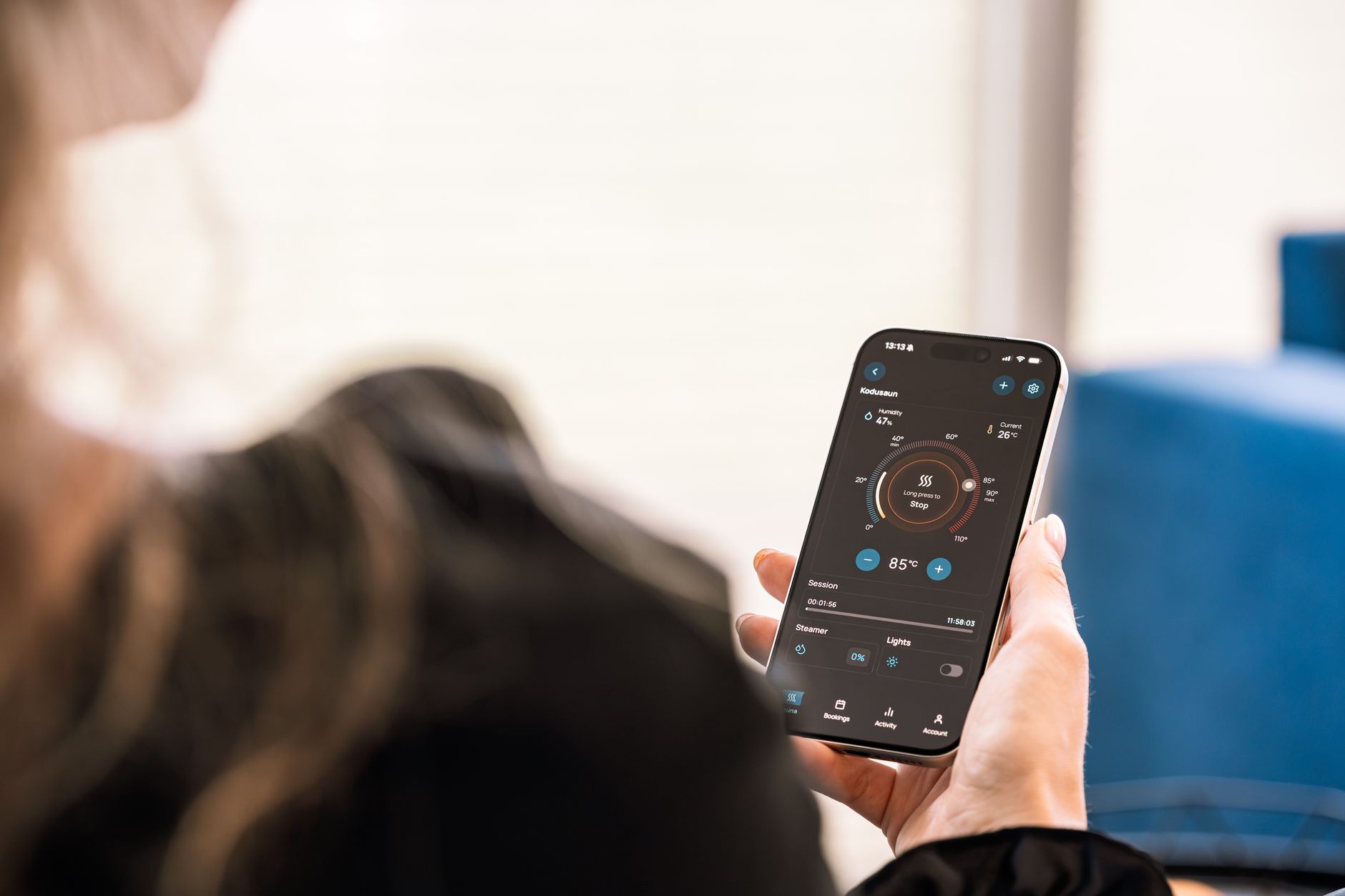
Smart lights deliver instant, everyday value. Dim them for movie night, set them to gradually brighten in the morning, or change colours for ambience.

Budget pick: Govee smart light bulbs (~$15–$25 each from Amazon AU). Work with both Google and Alexa.
Premium pick: Philips Hue White and Colour Ambiance starter kit ($35–$55 per bulb). More reliable, better colour accuracy. Requires the Philips Hue Bridge ($89) for full functionality.
3. Smart Plug (~$25–$45)
A smart plug turns any appliance into a smart device — set your kettle to turn on before your alarm goes off, or automate lamps without replacing bulbs.
Pick: TP-Link Kasa smart plug EP10 (~$25–$35 from Bunnings or Amazon AU).
4. Smart Doorbell (~$150–$350)
A smart doorbell lets you see and speak to visitors from your phone, anywhere in the world.
Pick: Ring Video Doorbell Wired (~$159 from Amazon AU or JB Hi-Fi).
5. Smart Lock (~$300–$550)
Pick: Schlage Encode Plus smart lock (~$399 from Amazon AU). Works with Apple HomeKit, Google Home, and Alexa.
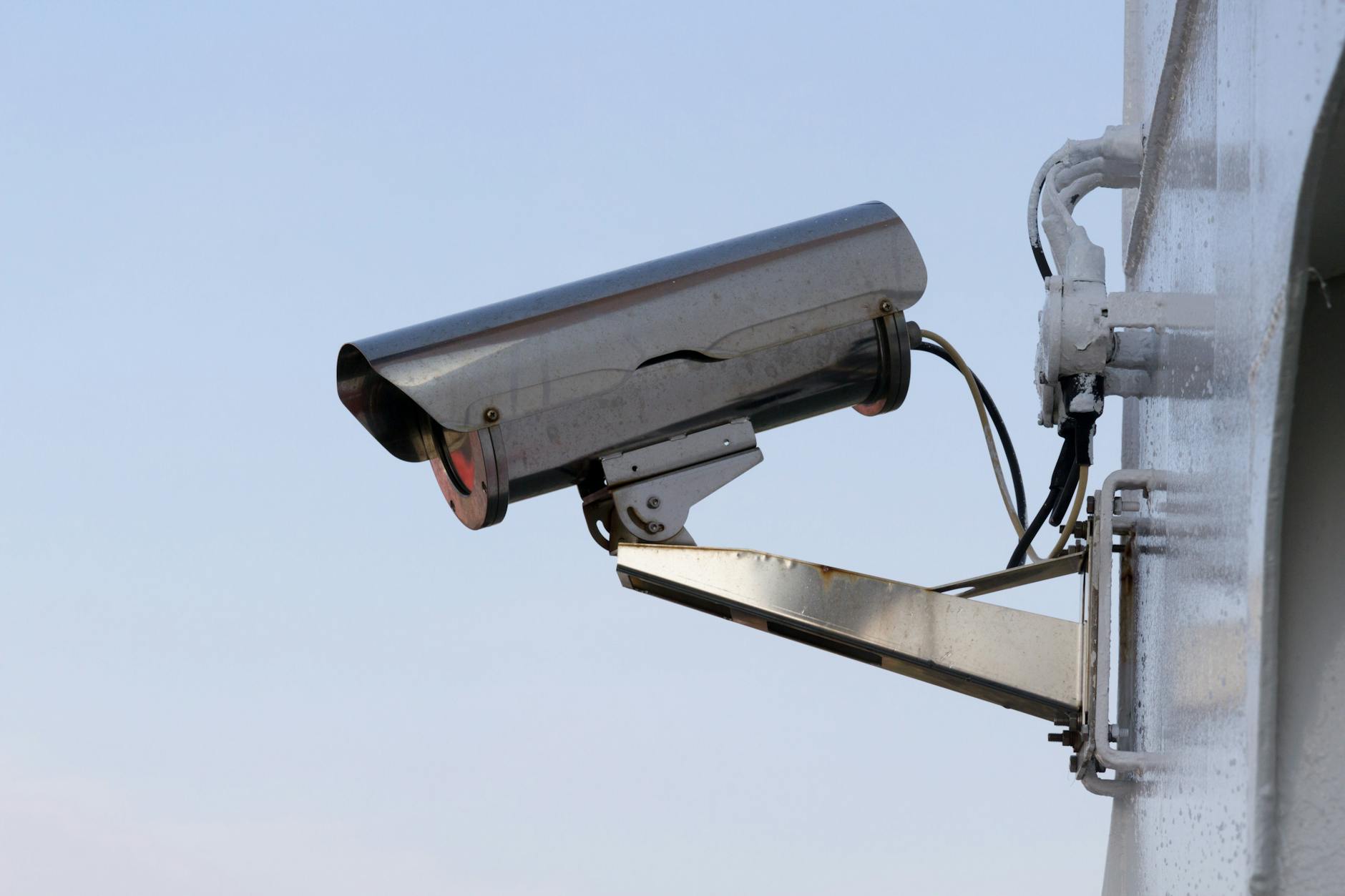
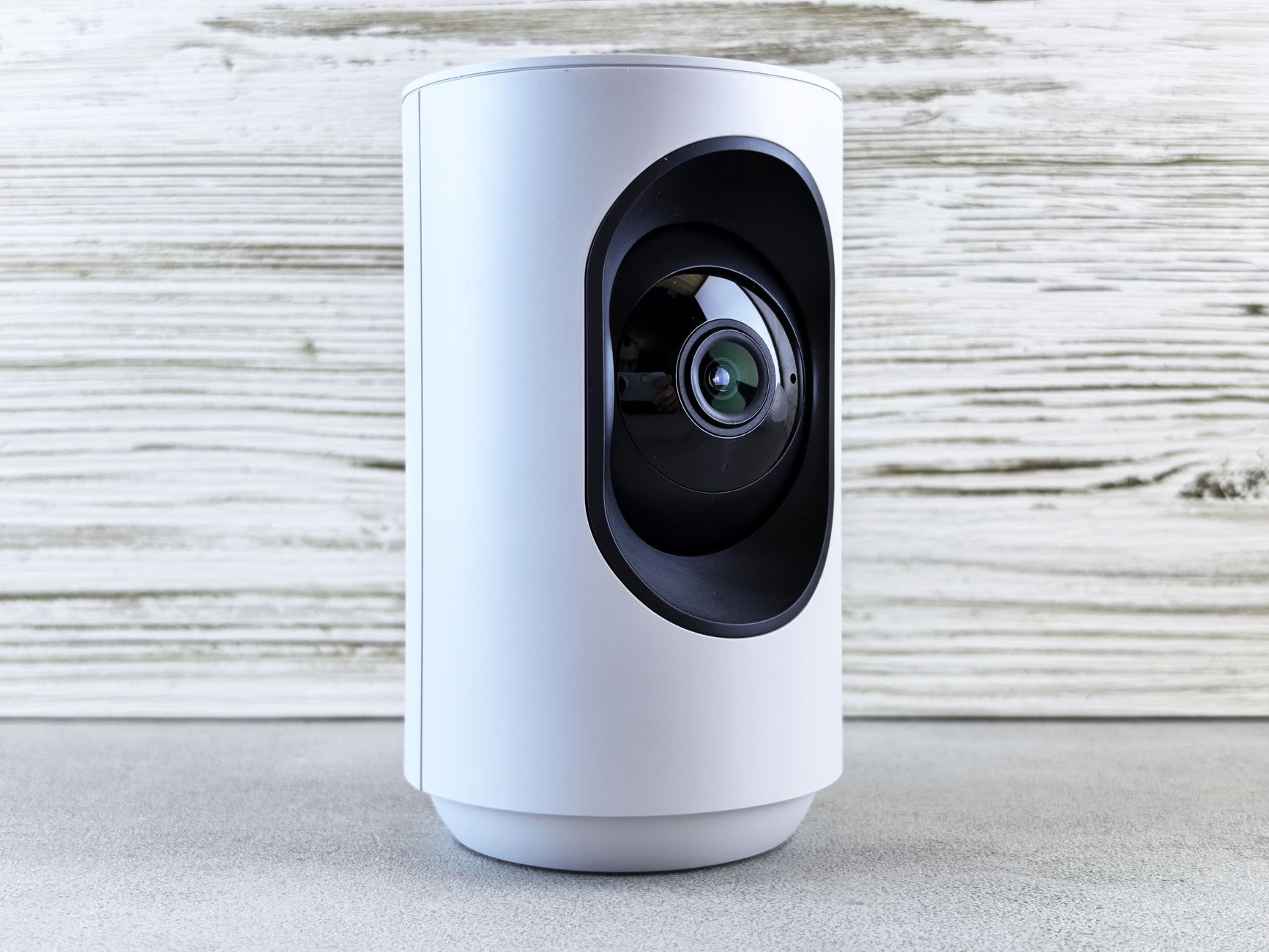
6. Smart Security Camera (~$80–$300)
Pick: Reolink Argus 3 Pro outdoor camera (~$89–$129 from Amazon AU). Wireless, solar-chargeable, 2K video, no monthly fees.
Do Smart Home Devices Work Without Internet in Australia?
Most smart home devices require an active internet connection for full functionality — especially voice commands and remote access via your phone. Some devices (like Philips Hue lights) retain basic local control when your internet drops, but automations and voice control typically stop working. If you have unreliable internet, prioritise devices with strong local control like Hue or look into a dedicated home automation hub like Home Assistant.
Starter Bundle Recommendations
| Budget | Devices | Total Cost |
|---|---|---|
| Under $150 | Nest Mini + 3× Govee bulbs + smart plug | ~$130 |
| Under $300 | Echo Dot + Philips Hue starter kit + Ring Doorbell | ~$280 |
| Under $500 | All of the above + outdoor camera | ~$430 |
Bottom Line
The best smart home advice for Australians is: start small, start useful. A $79 smart speaker and $60 worth of smart lights will genuinely improve your daily life and teach you what you actually want from a smart home.
Check JB Hi-Fi, Amazon AU, and Bunnings for current pricing — smart home devices go on sale frequently, particularly around Black Friday, Click Frenzy, and Boxing Day.