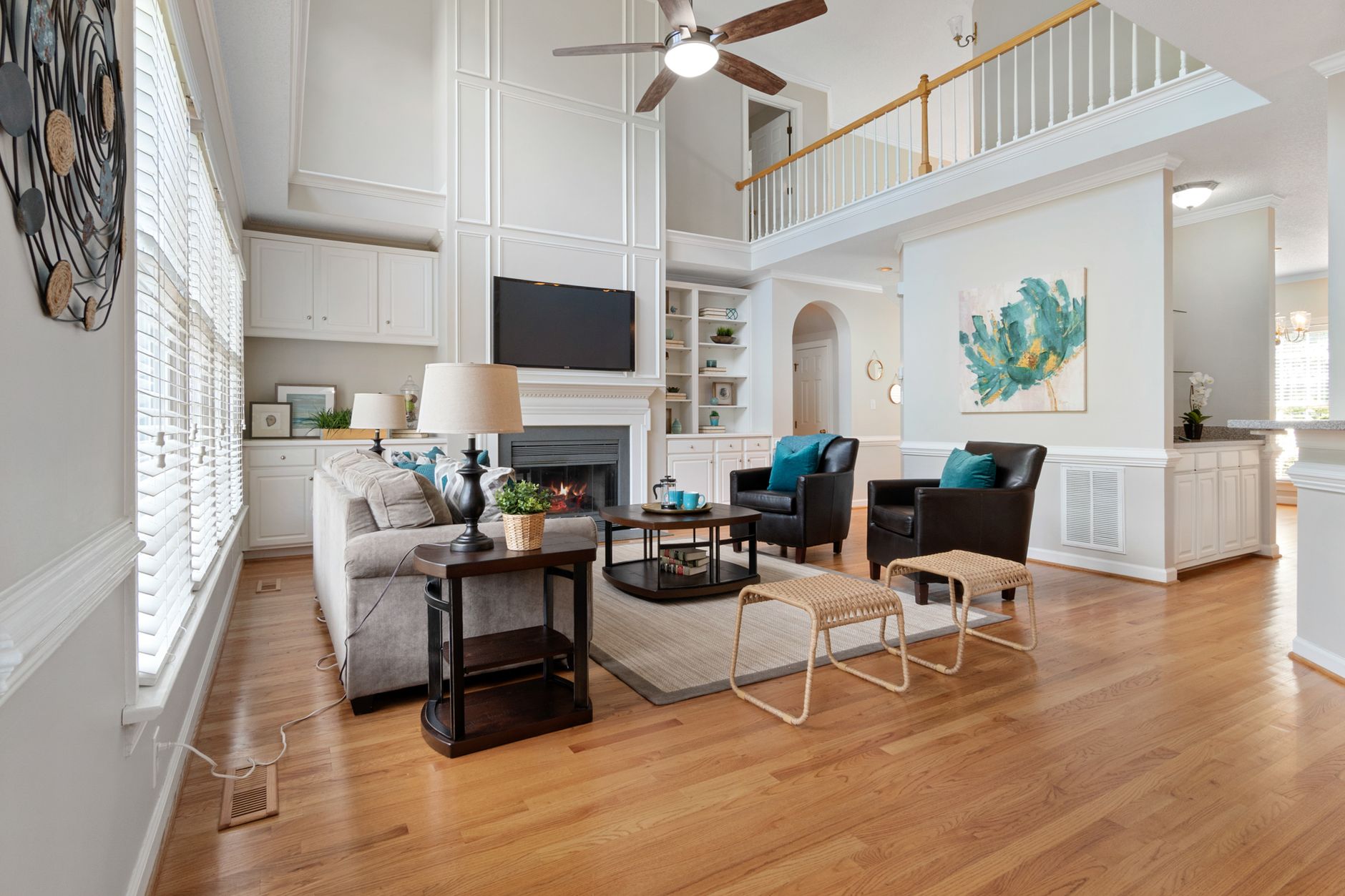
Best Ceiling Fans for Australian Homes 2025
Quick summary: Choosing the right ceiling fan can slash your cooling costs by up to 40% while keeping your home comfortable year-round. This guide covers everything from sizing and motor types to smart features and brand recommendations, helping Australian homeowners find the perfect fan for their climate and budget.
With Australia's hot summers and rising electricity costs, ceiling fans have become essential for efficient home cooling. The right fan can reduce your reliance on air conditioning, cut energy bills, and improve air circulation throughout your home.
The ceiling fan market has evolved dramatically in recent years, with DC motors, smart controls, and energy-efficient designs now standard across many models. Whether you're renovating, building new, or simply upgrading old fans, understanding these options will help you make the best choice for your Australian home.

How to Choose the Right Ceiling Fan Size for Your Room
Getting the blade diameter right is crucial for optimal airflow and energy efficiency. Too small and you'll barely feel the breeze; too large and you'll waste energy while creating uncomfortable wind tunnels.
Room Size Guide for Blade Diameter
For bedrooms under 12 square metres, a 90-107cm (36-42 inch) fan provides adequate coverage without overwhelming the space. The Hunter Pacific Breeze 107cm ceiling fan at around $149 from Bunnings is a solid starter option.
Medium rooms (12-18 square metres) work best with 117-127cm (46-50 inch) fans. Living areas and master bedrooms typically fall into this category. The Martec Lifestyle DC 132cm ceiling fan offers excellent coverage for $329.
Large spaces over 18 square metres need 137-152cm (54-60 inch) fans or multiple smaller units. Open-plan living areas and high-ceiling rooms benefit from fans like the Hunter Pacific Radical 152cm ceiling fan priced around $449.
For rooms larger than 25 square metres, consider two medium fans rather than one oversized unit. This approach provides better air distribution and allows zone control.
Ceiling Height Considerations
Standard 2.4-metre ceilings require low-profile or flush-mount fans to maintain the recommended 2.1-metre clearance from floor to blade tips. Hugger-style fans like the Mercator Grange series work well in these situations.
Higher ceilings (2.7-3.6 metres) can accommodate downrod-mounted fans, which improve airflow by positioning blades in the room's centre. Use a 30-60cm downrod depending on your ceiling height.
Vaulted or cathedral ceilings over 3.6 metres often need custom downrods and may benefit from angled mounting kits to optimise airflow direction.
DC vs AC Motor Ceiling Fans: Which is Better?
The motor type significantly impacts your fan's performance, energy consumption, and longevity. Understanding the differences helps you choose the right technology for your needs.
Energy Efficiency Comparison
DC (Direct Current) motors use approximately 70% less energy than traditional AC (Alternating Current) motors. A typical DC fan consumes 15-30 watts compared to 60-90 watts for equivalent AC models.
Over a year of regular use (8 hours daily), this translates to roughly $45-75 in electricity savings at current Australian rates. The HPM Rotor 132cm DC ceiling fan exemplifies this efficiency at $289.
DC fans also offer superior speed control with 6-7 speed settings versus the typical 3 speeds on AC models. This precision allows fine-tuning airflow to match comfort preferences and weather conditions.
Variable speed capability means DC fans can run at lower speeds more efficiently, making them ideal for year-round use in Australia's varied climate.
Noise Levels and Performance
DC motors operate significantly quieter than AC alternatives, typically producing under 25 decibels on low speeds. This makes them perfect for bedrooms where noise sensitivity matters.
The consistent torque delivery of DC motors maintains steady blade rotation even at low speeds, where AC fans often wobble or stall. This reliability is particularly valuable during mild weather when gentle air movement is preferred.
DC fans also reverse more smoothly for winter operation, helping distribute warm air more effectively during cooler months.

Ceiling Fan Features: Lights, Remotes and Smart Controls
Modern ceiling fans offer numerous features beyond basic air circulation. Understanding these options helps you choose models that enhance both comfort and convenience.
Ceiling Fans with Integrated Lighting
Combined fan-light units eliminate the need for separate light fixtures while maximising ceiling space. LED lighting has become standard, offering 15,000-25,000 hour lifespans with minimal heat generation.
The Mercator Viper 132cm fan with LED light provides 20W LED illumination alongside efficient air movement for $199. Look for models with separate light and fan controls for maximum flexibility.
Consider colour temperature options – warm white (3000K) suits bedrooms and living areas, while cool white (5000K-6500K) works better in kitchens and workspaces.
Dimmable LED options add versatility, though ensure your wall switch supports dimming functionality before installation.
Remote Control vs Smart Home Integration
Remote controls offer convenient operation without wall switches, particularly useful for high ceilings or hard-to-reach locations. Most include fan speed, light dimming, and timer functions.
Smart ceiling fans integrate with home automation systems, allowing smartphone control, scheduling, and voice activation through Alexa or Google Assistant. The Eglo Connect Antioch smart ceiling fan demonstrates these capabilities at $399.
Wi-Fi enabled models can respond to temperature sensors, automatically adjusting speed based on room conditions. This automation maximises comfort while minimising energy consumption.
Consider your existing smart home ecosystem – fans with Zigbee or Z-Wave connectivity integrate better with dedicated home automation hubs.
Best Ceiling Fan Brands for Australian Conditions
Australia's harsh UV levels, humidity variations, and temperature extremes demand robust construction and reliable performance from ceiling fans.
Premium Brands ($300-$800)
Hunter Pacific leads the premium segment with models like the Typhoon series, engineered specifically for Australian conditions. Their powder-coated finishes resist UV degradation and coastal corrosion.
Beacon Lighting's premium range includes European-designed fans with superior build quality and 10-year warranties. The Nordic series combines Scandinavian aesthetics with Australian durability standards.
Mercator's Revolution series offers premium DC motors with advanced control systems, typically priced $400-600. Their anti-rust treatments suit humid coastal environments particularly well.
Mid-Range Options ($150-$300)
Arlec provides excellent value through Bunnings, with their DC motor range offering premium features at accessible prices. The 132cm DC model at $179 includes LED lighting and remote control.
HPM's Rotor series balances performance with affordability, featuring reliable DC motors and sleek designs. Most models include 5-year warranties and replacement part availability.
Martec's Lifestyle range targets the sweet spot between features and cost, with models like the 132cm DC version offering smart home compatibility for under $300.
Budget-Friendly Picks (Under $150)
For tight budgets, traditional AC motor fans still provide effective cooling. The Hunter Pacific Breeze series offers reliable performance with basic features from $89.
Bunnings' own-brand fans provide entry-level options starting around $69, though expect shorter warranties and fewer speed settings.
Ceiling fans under $150 typically lack advanced features like DC motors or smart controls, but remain viable for rental properties or secondary rooms.
Installation Requirements and Costs
Proper installation ensures safety, performance, and warranty compliance. Understanding requirements helps budget for professional installation or assess DIY feasibility.
DIY vs Professional Installation
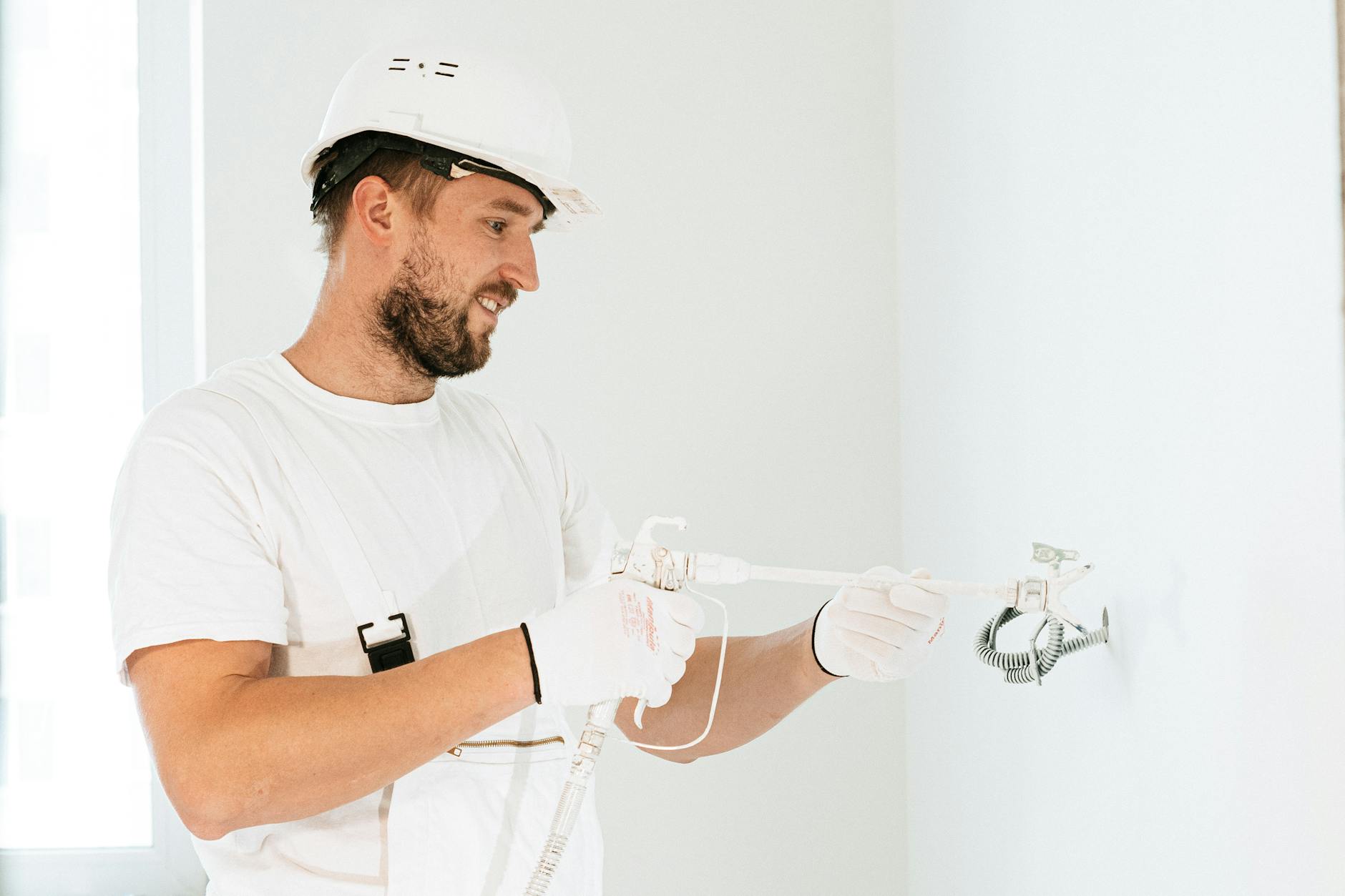
Licensed electrician installation costs $150-300 depending on complexity and location. This includes electrical safety checks and compliance certificates required in most Australian states.
DIY installation saves money but requires existing electrical boxes rated for ceiling fan loads (typically 20-25kg). Standard light fixture boxes cannot safely support fan weight and movement.
Complex installations involving new wiring, high ceilings, or structural modifications always require professional assessment. Insurance claims may be affected by non-compliant DIY electrical work.
Most quality fans include comprehensive installation instructions, though basic electrical knowledge is essential for safe DIY installation.
Top Ceiling Fan Recommendations by Room Type
| Room Type | Recommended Size | Best Option | Price Range |
|---|---|---|---|
| Bedroom (small) | 107cm | Hunter Pacific Breeze | $149-189 |
| Bedroom (master) | 132cm | Martec Lifestyle DC | $289-329 |
| Living Room | 132-152cm | HPM Rotor DC with Light | $249-389 |
| Kitchen | 117-132cm | Mercator Viper LED | $199-249 |
| Outdoor/Patio | 132cm+ | Beacon Nordic Coastal | $399-549 |
For bedrooms, prioritise quiet DC motors and integrated lighting. The Hunter Pacific Breeze offers reliable performance for smaller spaces, while the Martec Lifestyle DC suits larger master bedrooms.
Living areas benefit from larger fans with smart controls and quality lighting. Open-plan spaces may need multiple fans for optimal coverage.
Kitchens require fans with easy-clean finishes and good lighting. Avoid fabric blades that can harbour odours and grease.
Outdoor installations need weather-resistant materials and IP-rated motors. Coastal properties should specify marine-grade finishes to resist salt corrosion.
Bottom Line
The best ceiling fans for Australian homes combine appropriate sizing, efficient DC motors, and features suited to your specific needs. Spending $200-400 on a quality DC motor fan typically provides better long-term value than budget AC alternatives.
Consider room size carefully – undersized fans waste energy without providing adequate cooling, while oversized models create uncomfortable drafts. Smart features and integrated lighting add convenience but aren't essential for effective cooling.
Professional installation ensures safety and warranty compliance, particularly for new electrical work or complex mounting situations. Quality Australian brands like Hunter Pacific and Mercator offer better local support and parts availability than imported alternatives.
With electricity prices continuing to rise, investing in efficient ceiling fans pays dividends through reduced air conditioning usage and improved year-round comfort in Australia's challenging climate.