How to Install a New Power Point: DIY Safety Guide Australia
Quick summary: You cannot legally install a power point yourself in Australia unless you hold an electrical licence — full stop. This guide explains exactly what homeowners are allowed to do, how safety switches and Australian Standards protect your home, what a licensed electrician actually does during installation, and what it costs to get it done properly.
Adding a power point sounds like a simple weekend job. Plug in a new outlet where the TV unit is going, or add one behind the fridge — how hard can it be?
In Australia, it's harder than you'd think, legally speaking. Electrical work is one of the few home improvement jobs where DIY enthusiasm can land you a hefty fine, void your insurance, or worse.
Here's everything you need to know before you touch a switchboard.
Is It Legal to Install Your Own Power Point in Australia?
The short answer: no, not in any state or territory.
Can I install a power point myself in Australia? Unless you hold a current electrical licence issued by your state or territory regulator, the answer is no. This applies whether you're adding a single outlet in the lounge room or rewiring an entire renovation.
Is it illegal to install your own power point in Australia? Yes. Electrical installation work, including power points, light fittings, and switchboard alterations, falls under state-based Electrical Safety Acts. In Queensland it's the Electrical Safety Act 2002, in NSW it's regulated through Fair Trading and the Home Building Act, and Victoria enforces it through Energy Safe Victoria. All states treat unlicensed electrical work the same way — as a serious offence.
What Homeowners Are Allowed to Do
You're not entirely locked out of the process. Homeowners can legally:
- Choose the location, style, and brand of power point (like a Clipsal Iconic power point ) before an electrician installs it
- Purchase the outlet, faceplate, or USB combo unit themselves to save on markup
- Replace a light globe or a plug-in appliance
- Reset a tripped safety switch or circuit breaker at the switchboard
- Install battery-powered or plug-in devices that don't involve fixed wiring
What you can't do is open a wall cavity, run new cable, connect wiring to a circuit, or touch anything inside the switchboard. That's licensed electrician territory, no exceptions.
Why Unlicensed Electrical Work Is Dangerous and Illegal
What happens if I do electrical work without a licence in Australia? The risks fall into three categories.
First, physical danger. Australian household circuits run at 230 volts. Incorrect wiring can cause electric shock, fire, or death — not just to you, but to future occupants of the home.
Since 2019, incidents involving unlicensed electrical work have been linked to house fires across NSW and Queensland, several with fatal outcomes.
Second, legal penalties. Fines for unlicensed electrical work range from around $1,100 for individuals up to $110,000+ for repeat or business offences, depending on the state. Some jurisdictions also carry potential imprisonment for serious breaches.
Third, financial exposure. Home and contents insurers can refuse a claim outright if a fire or damage is traced back to non-compliant electrical work. Selling your home later also requires disclosure of unlicensed alterations, which can delay settlement or reduce sale price.

Understanding Safety Switches and Australian Standards
Every new power point installed in Australia must comply with AS/NZS 3000, known as the Wiring Rules. This standard governs cable sizing, outlet spacing, circuit loading, and switchboard protection.
A core requirement is the electrical safety switch (also called an RCD, or residual current device). Since 1991 in most states, safety switches have been mandatory on power circuits in Australian homes, and since 2000 they've been required for lighting circuits too.
A safety switch monitors the flow of electricity and cuts power within milliseconds if it detects current leaking to earth — such as through a person touching a live wire. Without one, a fault can mean a lethal shock. With one, it usually means a tripped switch and a scare, nothing more.
If your home was built before the 1990s and hasn't been updated, there's a real chance you don't have safety switches fitted. A licensed electrician can check this in minutes and install them for roughly $250–$400 per switch if needed — well worth it during any power point upgrade.
Tools and Materials an Electrician Will Use
Curious what's actually involved? Here's the typical kit an electrician brings to a standard power point installation:
- Voltage tester or multimeter (like a Fluke T110 voltage tester )
- Insulated screwdrivers and pliers rated to AS/NZS 3000
- Cable (usually 2.5mm TPS cable for power circuits)
- New GPO (general purpose outlet) unit — brands like Clipsal, HPM, or PDL
- Cable stripper and crimping tools
- Stud finder or cavity scanner to avoid existing wiring
- Compliance testing device to confirm polarity, earth continuity, and insulation resistance
Most of these tools aren't dangerous in the wrong hands because of the tools themselves — it's the knowledge of circuit loading, cable routing, and isolation procedure that makes the difference between a safe job and a house fire.
Step-by-Step: What Happens During Installation
Here's what to expect when a licensed electrician installs a new power point in your home.
Turning Off Power at the Switchboard
The electrician isolates the relevant circuit at the switchboard, tests it with a voltage tester to confirm it's dead, and typically tags it out so nobody re-energises it accidentally. This step alone is why DIY attempts are so risky — many homeowners test for power incorrectly or skip this step entirely.
Mounting and Wiring the New Outlet
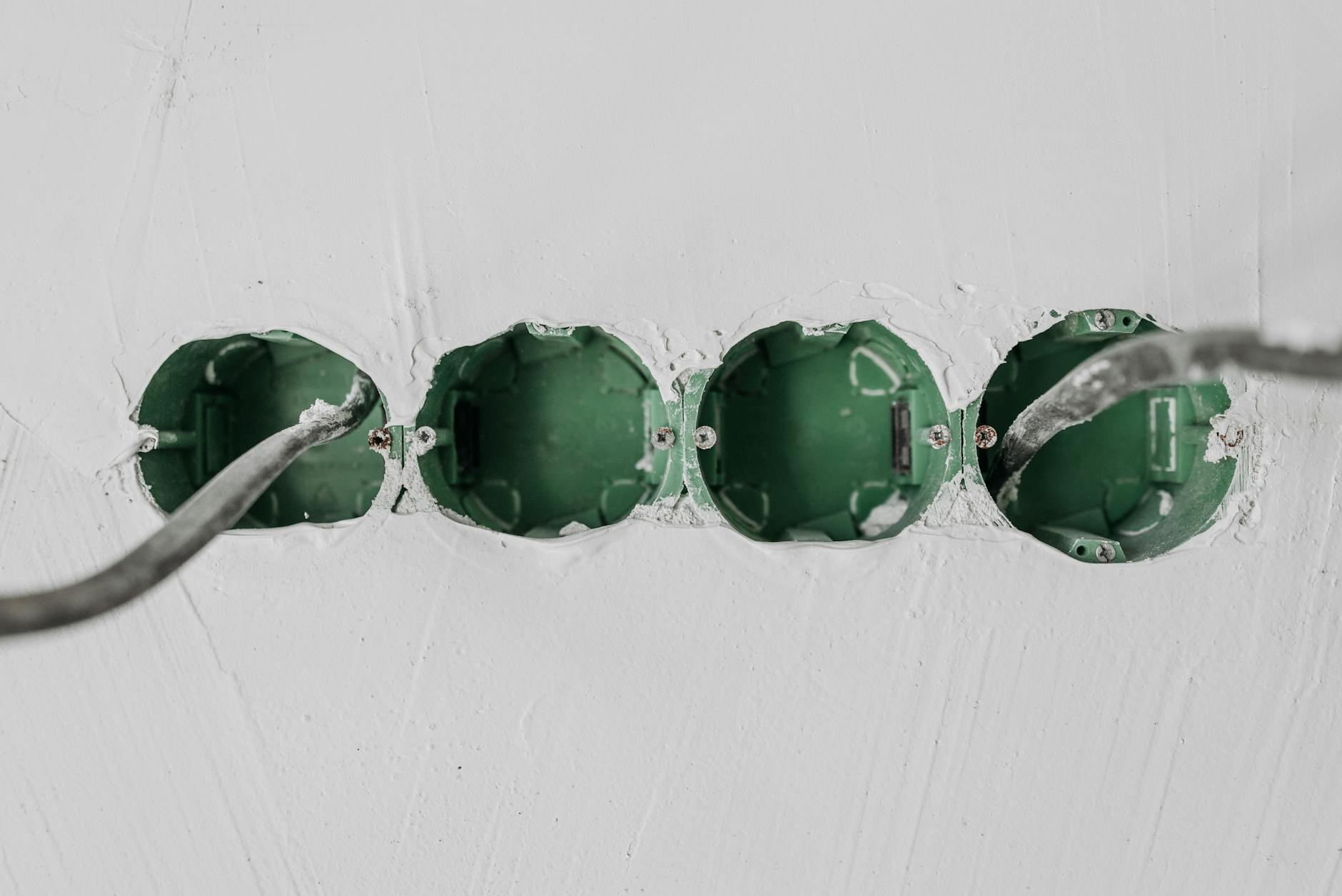
A wall cavity is cut (in plasterboard) or a surface-mount box is used, cable is run from the nearest existing circuit or the switchboard, and it's connected to the new GPO according to correct polarity — active, neutral, and earth. The outlet is then screwed into a mounting bracket or noggin for stability.
Testing and Compliance Certification
Once wired, the electrician tests the new point for correct polarity, earth continuity, and insulation resistance. They then issue a Certificate of Compliance for Electrical Work (called a CCEW in most states), which is a legal requirement for any fixed electrical installation. Keep this document — you'll need it if you sell the property or make an insurance claim.
When You Must Call a Licensed Electrician
Do I need an electrician to add a new power point? Yes, always. But there are specific situations where hiring one isn't optional, and skipping it carries higher risk:
- Adding power points in wet areas (bathrooms, laundries, outdoor areas) — these need IP-rated outlets and extra RCD protection
- Any switchboard work, including adding new circuits
- Kitchen renovations involving heavy-draw appliances (ovens, induction cooktops)
- Old homes with fuse-based (not circuit breaker) switchboards
- Anything involving three-phase power
How much does it cost to install a power point in Australia? Expect to pay:
| Job type | Typical cost (AUD) |
|---|---|
| Single power point (existing circuit) | $120–$220 |
| Power point in new location (new cable run) | $200–$350 |
| Outdoor/weatherproof power point | $250–$400 |
| Double power point with USB | $150–$280 |
| Safety switch installation (per switch) | $250–$400 |
| Switchboard upgrade | $800–$2,500 |
Prices vary by state and whether it's a standalone callout or bundled into a larger job. Sydney and Melbourne electricians generally charge a $90–$120 callout fee plus labour, while regional rates can be slightly lower.
Common Mistakes and Safety Risks to Avoid
Even when hiring a professional, homeowners can make the job harder or riskier:
- Choosing the wrong outlet for the location — using a standard indoor GPO outdoors instead of a weatherproof IP-rated version
- Overloading a single circuit with too many high-draw appliances plugged into new points
- Ignoring existing wiring age — homes with old wiring (pre-1980s) often need broader assessment before adding new points
- Ignoring bathroom zones — AS/NZS 3000 has strict rules on outlet placement relative to water sources
- Skipping the compliance certificate — always ask for it in writing, not just verbally confirmed
Final Safety Checklist Before Using Your New Power Point
Before you plug anything in, run through this:
- ✅ Certificate of Compliance received and filed safely
- ✅ Safety switch tested (press the "T" button on the switchboard)
- ✅ Outlet feels firmly mounted, no visible gaps or looseness
- ✅ No buzzing, warmth, or burning smell from the new point
- ✅ Correct outlet type used for the location (standard, weatherproof, or USB combo)
- ✅ Electrician's licence number recorded on your invoice
Bottom Line
You can plan, choose, and purchase your new power point — but installing it is a licensed electrician's job, by law, right across Australia. It typically costs between $120 and $350 for a straightforward job, comes with a compliance certificate, and protects you from fire risk, injury, and insurance headaches down the track.
If you're renovating or rearranging furniture and need a new outlet, get a quote from a licensed local electrician before starting any work — it's the only safe and legal path forward.