Understanding Australian Plumbing Pipe Types: PVC, Copper & PEX Explained
Quick summary: Australian homes typically use PVC pipes for drainage and stormwater, copper pipes for hot and cold water supply, and PEX plumbing for modern flexible water lines. Each has different costs, lifespans and compliance rules under AS/NZS 3500. Mixing materials incorrectly can cause corrosion or fail inspection, and most water supply work legally requires a licensed plumber anyway.
Why Pipe Material Matters for Australian Homes
If you're renovating a bathroom, replacing a burst pipe, or just trying to work out what's hiding behind your walls, the type of pipe matters more than most homeowners realise.
Different plumbing pipe types handle heat, pressure and water chemistry differently. Use the wrong one and you risk leaks, corrosion, or a plumbing inspection that fails outright.
Australia's mix of older copper installations and newer PVC and PEX systems means many homes actually have several pipe types working together. Understanding what you've got — and what's compatible — helps you plan repairs and renovations without nasty surprises.
Australian Standards and Compliance Basics
All plumbing work in Australia must comply with AS/NZS 3500, the national plumbing and drainage standard. It covers everything from pipe sizing to material approvals and installation methods.
Products also need a WaterMark certification, which you'll see stamped on the pipe or packaging. Never buy uncertified pipe or fittings — they won't pass inspection and may not be covered by insurance if something goes wrong.
Local water authorities (like Sydney Water or Yarra Valley Water) can also have their own additional requirements, so it pays to check before you start any DIY work.
PVC Pipes Explained
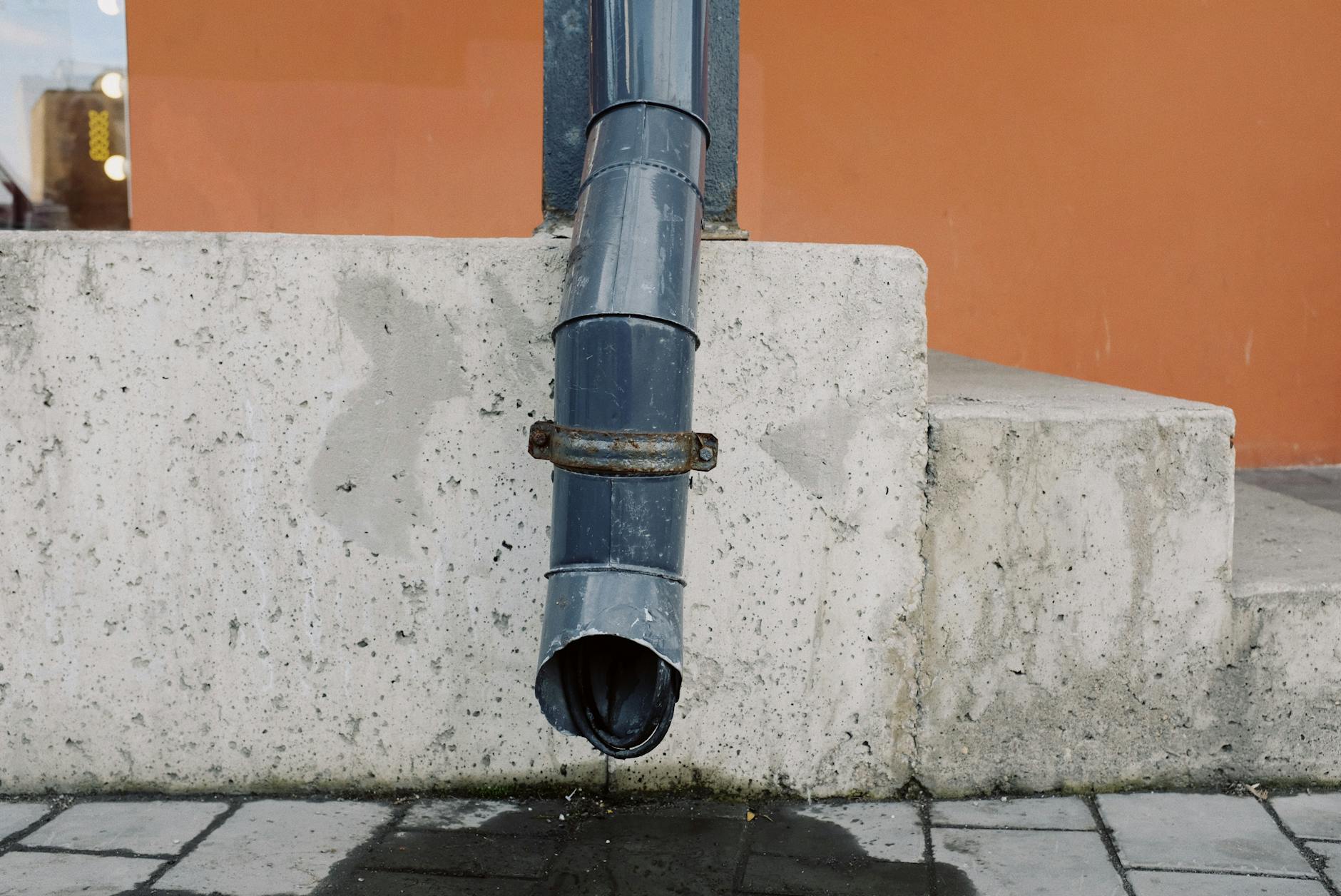
PVC (polyvinyl chloride) is the workhorse of Australian drainage systems. It's lightweight, cheap, and resistant to corrosion — which is why it dominates stormwater, sewer and drain-waste-vent applications.
Standard PVC pipe isn't rated for hot water, but a variant called PVC-C (chlorinated PVC) is used in some hot water and hydronic heating setups.
A 100mm length of standard PVC-U drainage pipe from Bunnings costs around $15-$25 per metre, with fittings adding a few dollars each. It's by far the most budget-friendly option of the three.
Common Uses and Limitations
You'll find PVC pipes in:
- Stormwater and downpipe drainage
- Sewer and waste lines
- Agricultural and irrigation systems
- Some cold water supply (in low-heat applications)
The limitations are straightforward: standard PVC becomes brittle in direct sunlight over time (UV degradation) and can't handle hot water supply. It's also more prone to cracking under ground movement compared to flexible alternatives like PEX.
Copper Pipes Explained
Copper has been the standard for Australian hot and cold water supply for decades, and you'll still find it in most homes built before the early 2000s.
It's rigid, durable, and naturally resistant to bacteria, which makes it a reliable long-term choice for drinking water lines.
Copper pipe pricing has climbed significantly with commodity prices — expect to pay roughly $25-$45 per metre for 15-20mm copper pipe at Copper pipe 15mm 3m length , plus soldering equipment and fittings if you're doing any of the work yourself.
Pros, Cons and Longevity
Copper pipes can last 50 years or more when properly installed, and they handle high water pressure and temperature extremes well.
The downsides are cost and workmanship. Copper needs to be cut, cleaned and soldered (or pressed with specialised fittings), which isn't beginner-friendly. It's also vulnerable to corrosion in acidic water conditions, and theft of copper pipe from vacant properties is an unfortunate reality in some areas.
Rising material costs mean many renovators are now switching to PEX for new installations while leaving existing copper in place where it's still sound.
PEX Pipes Explained
PEX (cross-linked polyethylene) is the newer option gaining ground fast in Australian renovations. It's a flexible plastic pipe that can snake through walls and ceilings without needing joints at every bend.
Is PEX pipe approved for use in Australian homes? Yes — PEX is fully approved under AS/NZS 3500 and AS/NZS 2492, provided it carries WaterMark certification. It's now commonly used for both hot and cold water supply in new builds and renovations across the country.
A roll of 16mm WaterMark-certified Rehau PEX pipe 16mm 50m roll typically costs $80-$150, which works out considerably cheaper than copper once you factor in fittings and labour time.
Flexibility and Modern Applications
PEX's biggest advantage is flexibility — literally. It bends around corners without extra fittings, resists freezing damage better than copper, and installs faster because it uses push-fit or crimp connections instead of soldering.
Common uses include:
- Hot and cold water supply lines
- Underfloor hydronic heating
- Renovations where pipes need to run through tight wall cavities
- Repiping projects where speed matters
The main drawback is UV sensitivity — PEX degrades in direct sunlight, so it's strictly an indoor or buried application. It also has a shorter track record in Australia than copper, though international data suggests a 40-50 year lifespan is realistic.
Comparing PVC, Copper and PEX Side by Side
| Feature | PVC | Copper | PEX |
|---|---|---|---|
| Typical use | Drainage, stormwater | Hot/cold water supply | Hot/cold water supply |
| Cost per metre | $15-$25 | $25-$45 | $10-$20 (incl. fittings avg) |
| Lifespan | 25-40 years | 50+ years | 40-50 years (est.) |
| Hot water safe | No (standard PVC) | Yes | Yes |
| DIY friendly | Moderate | Difficult | Easier |
| UV resistant | Poor | Good | Poor |
| Corrosion resistant | Excellent | Good (pH dependent) | Excellent |
Compatibility Issues When Mixing Pipe Types
Can you connect PVC pipe directly to copper pipe? Not directly with glue or solder — you need a proper transition fitting rated for both materials, such as a threaded brass adapter. Gluing PVC straight onto copper simply won't create a watertight or code-compliant joint.
Mixing PEX and copper is more common and generally straightforward using brass crimp or push-fit transition fittings, which are widely available at Bunnings and Total Tools.
The bigger compatibility concern with older homes is galvanic corrosion — when copper and certain metals interact in the presence of water, it can accelerate corrosion at the joint. Always use dielectric or brass transition fittings rather than joining dissimilar metals directly.
DIY vs Professional Installation
How do I know what type of pipe is in my house? Check exposed pipework under sinks, in the roof cavity, or near the water meter. Copper is metallic and rigid with visible solder joints. PVC is usually white, grey or cream and rigid. PEX is coloured (red for hot, blue for cold) and noticeably flexible. If you're still unsure, a licensed plumber can identify it in minutes.
Some pipe work is genuinely DIY-friendly — replacing a section of PVC stormwater drainage, for example, is well within reach for a confident renovator with a PVC pipe cutter tool and some solvent cement.
When You Legally Need a Licensed Plumber
Do I need a licensed plumber to replace old pipes? For anything connected to the drinking water supply or sewerage system, yes. In every Australian state and territory, water supply and sanitary plumbing work legally requires a licensed plumber, and the work typically needs to be certified with your local water authority.
DIY is generally fine for stormwater drainage, garden irrigation, and non-connected agricultural pipework. But touching your home's water supply without a licence can void insurance, breach building regulations, and create serious safety risks — particularly with hot water systems.
Choosing the Right Pipe for Your Renovation
What is the best pipe material for plumbing in Australia? There's no single answer — it depends on the application.
For drainage and stormwater, PVC pipes remain the clear, cost-effective choice. For water supply in a full repipe or renovation, PEX plumbing offers the best combination of cost, speed and flexibility for most homeowners. Copper still makes sense where you're doing a partial repair and matching existing pipework, or where local regulations and personal preference favour it.
Budget, the scope of works, and whether you're matching existing infrastructure should all factor into the decision — and a licensed plumber can advise on what suits your specific house and water authority requirements.

Frequently Asked Questions
Can I mix PEX and copper in the same system? Yes, using appropriate brass transition fittings. This is a common approach when extending or repairing existing copper systems with PEX.
Does PVC pipe affect water taste or quality? Modern WaterMark-certified PVC used for water supply is safe, though most Australian systems reserve PVC for drainage rather than drinking water lines.
How much does it cost to repipe an entire house? Full repipes typically range from $5,000 to $15,000+ depending on house size, pipe material chosen, and accessibility, according to typical Australian plumber quotes.
Is copper pipe becoming obsolete in Australia? Not obsolete, but less common in new builds due to rising copper prices and PEX's installation advantages.
Bottom Line
Understanding plumbing pipe types isn't just handy trivia — it directly affects your renovation budget, timeline and compliance. PVC handles drainage brilliantly and cheaply. Copper remains a proven, long-lasting option for water supply, even as prices rise. PEX offers a flexible, cost-effective modern alternative that's fully approved for Australian homes.
Whatever combination your house ends up with, stick to WaterMark-certified products, use correct transition fittings between materials, and call a licensed plumber for anything touching your water supply or sewerage. It's the difference between a renovation that lasts decades and one that leaks within a year.