Fire Pit vs Outdoor Heater: Best Heating for Australian Patios and Decks
Quick Summary: Fire pits excel at creating ambiance and bringing people together around a focal point, while outdoor heaters provide efficient, targeted warmth with better heat control. Your choice depends on space size, local council regulations, and whether you prioritise atmosphere or practical heating efficiency.
As Australian evenings get cooler, extending your outdoor entertaining season becomes a priority. The choice between a fire pit and an outdoor heater can make or break your alfresco dining experience. Both options have distinct advantages, but understanding their differences will help you make the right decision for your specific outdoor space.
Fire Pits vs Outdoor Heaters: Key Differences
The fundamental difference lies in their purpose and design. Fire pits serve as both heating elements and social focal points, encouraging gatherings around the flame. Outdoor heaters, whether gas or electric, focus purely on efficient heat distribution across specific areas.
Fire pits typically require more hands-on management, from lighting and maintaining the fire to cleaning up ash afterwards. Outdoor heaters offer convenience with instant heat at the flick of a switch or turn of a dial.
Heat Output and Coverage Area
Heat output varies dramatically between these options. A typical wood-burning fire pit produces between 30,000-50,000 BTU, but much of this heat radiates upward rather than warming people effectively. The heat distribution is uneven, creating hot spots close to the fire while leaving areas just metres away noticeably cooler.
Gas fire pits like the Gasmate Odyssey Fire Pit provide more controlled heat output around 40,000 BTU with better distribution than wood-burning versions. However, they still primarily heat people facing the fire rather than creating an evenly warmed zone.
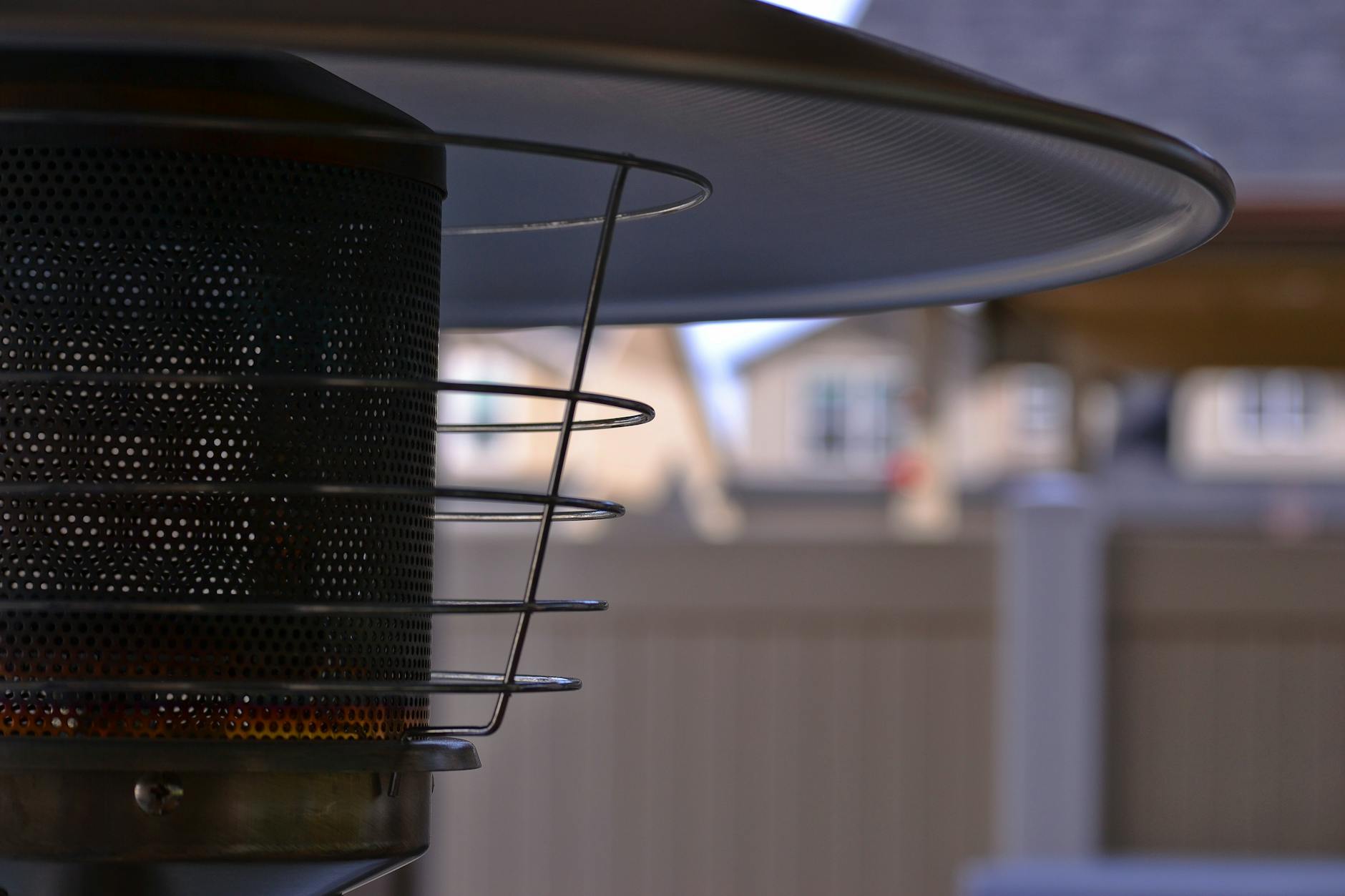
Outdoor heaters deliver focused warmth where you need it. Electric patio heaters typically range from 1,500-3,000 watts (5,000-10,000 BTU), while gas patio heaters can produce 40,000-48,000 BTU with superior directional heating. A quality gas patio heater like the Gasmate Pyramid Patio Heater can effectively warm a 4-5 metre radius.

Fuel Types and Running Costs
Wood-burning fire pits offer the lowest fuel costs if you have access to free firewood, but purchasing seasoned hardwood costs $300-450 per cubic metre in most Australian cities. A typical evening's burning consumes $15-25 worth of wood.
Gas fire pits connect to natural gas lines or use 9kg LPG bottles. Natural gas costs approximately $1.50-2.50 per hour of operation, while LPG runs $3-5 per hour depending on current bottle prices.
Electric outdoor heaters cost around $0.50-1.20 per hour based on current electricity rates, making them the most economical option for regular use. Gas patio heaters fall in the middle at $2-4 per hour of operation.
Safety Considerations and Australian Regulations
Safety requirements differ significantly between fire pits and outdoor heaters, particularly regarding Australian building codes and local council regulations.
Fire pits pose higher fire risks due to open flames, flying sparks, and ember generation. They require constant supervision and create ongoing fire hazards even after the visible flames die down. Hot coals can remain dangerous for hours after use.
Outdoor heaters, especially electric models, present minimal fire risk when properly installed and maintained. Gas heaters include safety features like tip-over switches and flame failure devices that automatically shut off gas flow if the flame extinguishes.
Council Approval Requirements
Most Australian councils regulate fire pits under fire prevention bylaws. Many metropolitan areas prohibit open fires entirely during fire danger periods, typically October through April. Some councils require permits for any permanent fire pit installation.
Brisbane City Council, for example, prohibits open fires within 100 metres of any building during declared fire seasons. Melbourne's councils generally allow small recreational fires but require 3-metre clearances from buildings and boundary lines.
Outdoor heaters typically don't require council approval as heating appliances, though permanent gas line installations may need building permits. Always check your local council's specific requirements before installation.
Fire Safety and Clearance Rules
Fire pits require substantial clearances - typically 3 metres from buildings, 1.5 metres from boundary lines, and clear overhead space of at least 3 metres from tree branches or structures. Many councils mandate non-combustible surfaces extending 1-2 metres around the fire pit.
Gas patio heaters need 1-2 metre clearances from combustible materials and adequate ventilation in covered areas. Electric heaters require minimal clearances but must be protected from moisture and properly earthed.
Installation and Setup Requirements
Installation complexity varies dramatically between these heating options. Portable fire bowls simply need appropriate placement and safety precautions, while built-in fire pits require excavation, proper drainage, and non-combustible construction materials.
Gas Line Connections
Gas fire pits and heaters requiring natural gas connections need licensed plumber installation. Expect to pay $800-1,500 for gas line extension and connection, plus additional costs for trenching if running lines under paved areas.
The Rinnai Cielo Gas Fire Pit requires professional installation but provides reliable operation once connected. LPG models offer more flexibility, connecting to standard 9kg bottles available from Bunnings or service stations.
Electrical Requirements for Electric Heaters
Electric patio heaters need appropriate outdoor-rated power points and circuit protection. Most models require 10-15 amp circuits, though powerful 3000-watt units may need dedicated 20-amp circuits installed by licensed electricians.
Expect electrical installation costs of $300-800 depending on distance from existing circuits and whether trenching is required for underground cables.
Best Options for Different Outdoor Spaces
Choosing between fire pits and outdoor heaters depends heavily on your specific outdoor space and intended use patterns.
Small Balconies and Apartments
Electric heaters dominate small spaces due to safety requirements and council restrictions. Compact electric models like the Heller Electric Patio Heater suit apartment balconies perfectly, providing instant warmth without fire risks or emissions.
Most apartment buildings prohibit open fires entirely, making fire pits non-viable options. Electric heaters also avoid issues with gas bottle storage in confined spaces.
Large Patios and Entertaining Areas
Large outdoor areas benefit from fire pits' social aspects and substantial heat output. A central fire pit creates natural gathering spaces while providing warmth for 6-8 people simultaneously.
For pure heating efficiency across large areas, multiple gas patio heaters positioned strategically provide better coverage than single fire pits. Consider combining both - a fire pit for ambiance with supplementary heaters for comprehensive warmth.
Running Costs: Gas vs Electric vs Wood
Annual running costs vary significantly based on usage patterns and local fuel prices. Based on 3 hours of use per week during cooler months (May through September):
| Fuel Type | Hourly Cost | Weekly Cost | Season Total |
|---|---|---|---|
| Electric (2kW) | $0.75 | $2.25 | $45 |
| Natural Gas | $2.00 | $6.00 | $120 |
| LPG Bottles | $4.00 | $12.00 | $240 |
| Firewood | $8.00 | $24.00 | $480 |
These calculations assume current Australian average prices and don't include initial equipment costs or maintenance expenses.
Maintenance and Longevity Comparison
Fire pits require regular cleaning, ash disposal, and periodic replacement of fire-resistant components. Steel fire bowls typically last 3-5 years with regular use, while quality cast iron or stone fire pits can last decades with proper maintenance.
Outdoor heaters need annual servicing for gas models, including burner cleaning and safety checks. Electric heaters require minimal maintenance beyond periodic element replacement. Quality gas patio heaters last 8-12 years with proper care, while electric models often exceed 15 years of service life.
Wood-burning fire pits generate ongoing maintenance demands including ash disposal, spark screen replacement, and potential fire brick replacement in built-in installations. Gas and electric options offer significantly lower maintenance requirements.
Bottom Line
What is better fire pit or outdoor heater for Australian patio? The answer depends on your priorities. Choose fire pits if you value ambiance, social gathering, and don't mind higher running costs and maintenance. Select outdoor heaters for efficient, convenient heating with lower operating expenses and minimal maintenance requirements.
For most Australian households, gas patio heaters offer the best balance of heating performance, convenience, and reasonable running costs. Electric heaters suit apartments and areas with gas restrictions, while fire pits excel where atmosphere matters more than heating efficiency.
Consider your local council regulations, available fuel types, and intended usage patterns when making your decision. Many homeowners ultimately choose both - a fire pit for special occasions and an efficient heater for regular outdoor comfort.