Autumn Garden Mulching Guide: Best Types for Australian Climate
Quick summary: Autumn is the best time to mulch Australian gardens, locking in soil warmth and moisture before winter hits. Organic options like sugar cane straw, bark chips and compost feed the soil as they break down, while inorganic mulches like gravel and recycled rubber last longer with less maintenance. Aim for a 5–7.5cm layer, applied in April or May, and budget roughly $8–$25 per bag or $60–$120 per cubic metre in bulk.
Why Mulching Matters Before Winter
Australian gardens cop it from both ends — scorching summers and, depending on where you live, frosty winter mornings. Autumn mulching bridges that gap.
Laying mulch now, while the soil is still warm from summer, traps that residual heat around plant roots. It also cuts down on weed germination just as cooler, wetter weather starts encouraging weeds to take hold.
Think of it as tucking your garden beds in for the night. A good layer of garden mulch acts like a blanket, buffering roots against sudden temperature swings that stress plants and slow spring recovery.
Moisture Retention and Soil Health Benefits
Autumn rain can be unpredictable — some regions get a good soak, others stay bone dry until winter properly sets in. Mulch slows evaporation from the soil surface, meaning whatever moisture does fall gets used efficiently rather than baking off.
Organic mulches go a step further. As they break down over autumn and winter, worms and microbes drag that organic matter into the topsoil, improving structure and feeding nutrients back to your plants. It's essentially free fertiliser that also happens to look tidy.
Best Organic Mulch Types for Australian Climates
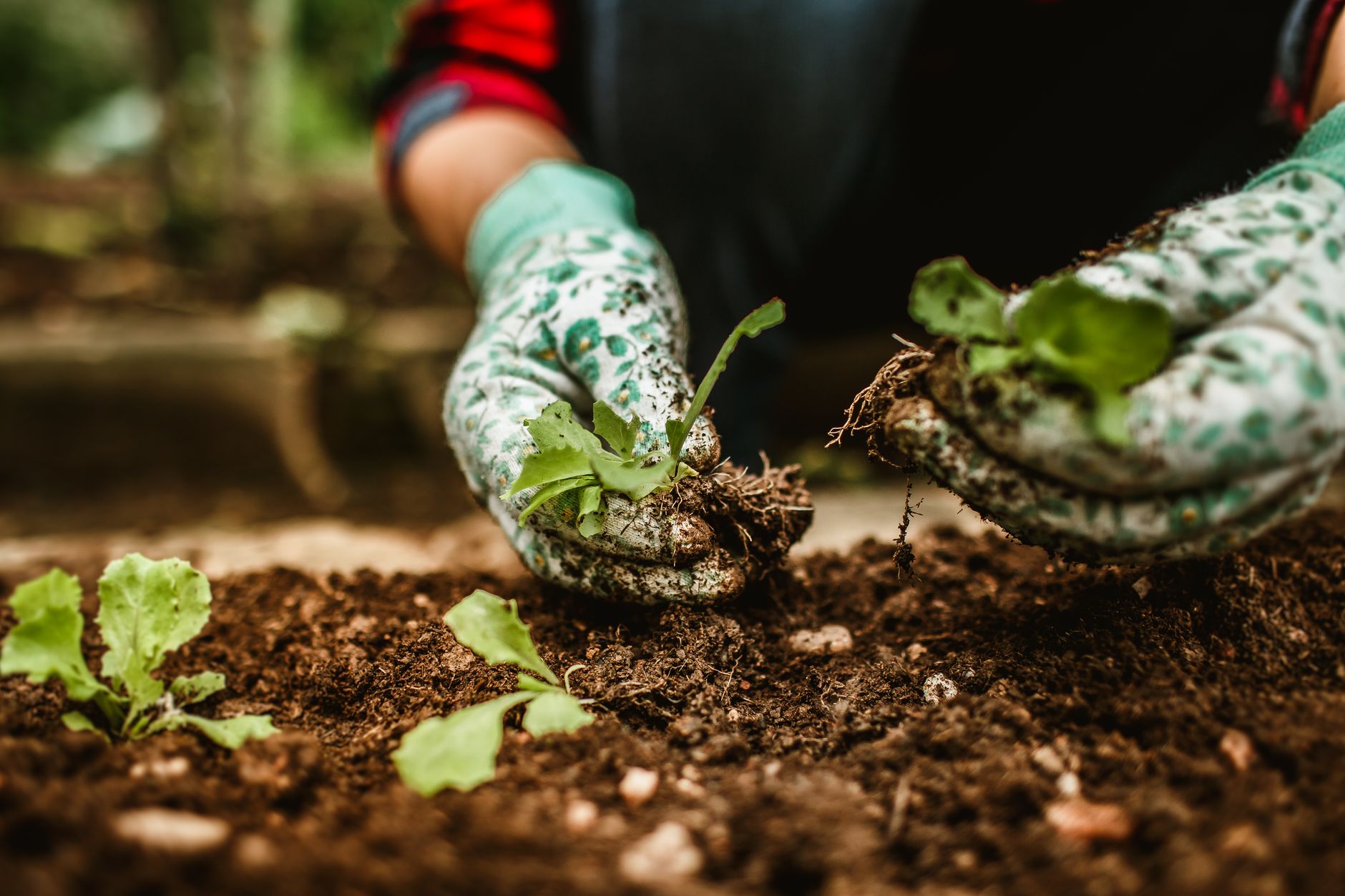
If you're asking what is the best mulch for Australian gardens in autumn, organic mulch is generally the answer for veggie patches, natives and ornamental beds. It breaks down, enriches soil, and suits our variable climate better than most inorganic alternatives in garden beds that need feeding.
The trade-off is that organic mulch needs topping up once or twice a year as it decomposes.
Straw, Bark Chips and Compost
Sugar cane and pea straw are cheap, break down quickly, and are ideal for vegetable gardens. A bale from sugar cane mulch bale typically costs $10–$15 at Bunnings and covers a decent sized bed. It's light, easy to spread, and great for improving soil quickly — though it can blow around in windy spots until it settles.
Bark chips, like the Scotts Osmocote bark mulch range, are slower to break down, making them better for garden beds you don't want to top up every season. They look neater around shrubs and pathways and hold their colour well through winter.
Compost isn't strictly a mulch on its own, but layering a few centimetres of homemade or bagged compost underneath a coarser mulch gives you the best of both — nutrient boost plus surface protection. Many councils sell compost cheaply through local resource recovery centres, often under $20 per trailer load.
For frost-prone areas, straw and compost combos are particularly effective since they insulate without compacting.
Best Inorganic Mulch Options
Inorganic mulch doesn't break down, so it won't feed your soil, but it lasts for years and suits low-maintenance areas, succulents, and modern garden designs.
This is the core answer to what is the difference between organic and inorganic mulch: organic improves soil biology over time but needs replacing; inorganic mulch is a one-off investment that mainly regulates temperature and suppresses weeds without decomposing.
Gravel, Pebbles and Recycled Rubber
Gravel and decorative pebbles work well around succulents, drought-tolerant natives, and dry garden aesthetics. Bunnings sells bagged options like decorative garden pebbles 10kg bag from around $8–$12 a bag, though bulk gravel from a landscape supplier is far more economical for larger areas.
Recycled rubber mulch, made from shredded tyres, is growing in popularity for play areas and low-water gardens. It doesn't attract termites, never breaks down, and comes in mulch-like brown or red tones. Expect to pay a premium — often $15–$20 per bag — but it lasts virtually forever.
Inorganic mulch isn't ideal for veggie patches since it offers no nutritional benefit and can raise soil temperature more than organic types during summer, but for winter garden prep in ornamental or native beds, it's a solid low-fuss choice.
How Deep Should You Apply Mulch
How deep should mulch be for winter plant protection? Most Australian gardening guides, including those from the Royal Botanic Gardens Victoria, recommend 5–7.5cm of organic mulch for general garden beds.
Go too thin (under 3cm) and you lose most of the weed-suppression and insulation benefit. Too thick (over 10cm) and you risk suffocating roots or encouraging fungal issues, especially with fine mulches like compost.
A few pointers:
- Keep mulch pulled back a few centimetres from plant stems and tree trunks to prevent collar rot
- Native gardens often do well with a slightly thinner layer (4–5cm) using coarse bark
- Vegetable beds benefit from straw at 5–6cm, refreshed as it compacts down
Best Timing for Maximum Winter Protection
When is the best time to mulch garden before winter in Australia? Aim for April to early May, after autumn rain has dampened the soil but before the first proper cold snap.
Mulching over dry soil traps that dryness in, so give your garden a deep water first if there hasn't been decent rainfall. This is especially important in southern states like Victoria and Tasmania, where winter frosts arrive earlier than in Queensland or NSW's northern regions.
In frost-prone inland areas, some gardeners mulch slightly earlier, in March, to lock in soil warmth before overnight temperatures start dropping sharply.
Cost Comparison of Common Mulch Types
How much does garden mulch cost in Australia? Prices vary depending on whether you buy bagged mulch or bulk by the cubic metre. Bulk is almost always cheaper for larger gardens.
| Mulch Type | Bagged Price | Bulk Price (per m³) | Lifespan |
|---|---|---|---|
| Sugar cane straw | $10–$15 (bale) | $50–$70 | 6–12 months |
| Bark chips | $8–$14 | $70–$100 | 1–3 years |
| Compost | $10–$20 | $60–$90 | Continuous (breaks down) |
| Decorative pebbles | $8–$12 | $90–$130 | 10+ years |
| Recycled rubber mulch | $15–$20 | $150–$200 | 10+ years |
For a standard 10m² garden bed at 6cm depth, you'll need roughly 0.6m³ of mulch — around $40–$60 in bagged straw, or less if bought in bulk.
Where to Source Quality Mulch in Australia
Bunnings and Mitre 10 stock most bagged mulches year-round, and autumn is when they typically run sales on straw and bark products. Total Tools is more focused on hardware but occasionally stocks landscaping supplies through partner stores.
For bulk orders, local landscape supply yards are usually the most cost-effective option, especially if you're mulching multiple garden beds or a large property. Many offer delivery for a flat fee of $50–$80, which is often cheaper than buying enough bagged mulch to match.
Council green waste facilities are worth checking too — some sell recycled mulch made from local tree offcuts at a fraction of retail price, and it's a genuinely sustainable option for winter garden prep.
Bottom Line
Autumn garden mulching is one of the simplest, cheapest ways to protect your garden through an Australian winter. Organic options like sugar cane straw and bark chips feed the soil while insulating roots, while inorganic gravel and rubber mulch suit low-maintenance, water-wise gardens.
Get the timing right — April to early May — and stick to a 5–7.5cm depth, and your garden will thank you with stronger growth once spring rolls around.