Composite Decking vs Timber: Which is Better for Australian Backyards?
Quick Summary: Composite decking costs 2-3x more upfront ($120-200/m²) than treated pine ($40-80/m²) but requires virtually no maintenance and lasts 25+ years. Timber offers natural beauty and lower initial costs but needs regular staining/sealing every 2-3 years. For Australian conditions with extreme UV and weather, composite typically provides better long-term value despite higher upfront investment.
When it comes to decking materials for Australian homes, the choice often comes down to composite versus timber. Both have their merits, but understanding how each performs in our harsh climate conditions is crucial for making the right investment.

Initial Cost Comparison: Composite vs Timber Per Square Metre
The upfront cost difference between composite and timber decking is significant, but it's only part of the story when considering long-term value.
Upfront material and installation costs
Timber decking materials vary widely in price depending on the species chosen. Treated pine, the most budget-friendly option, costs around $40-80 per square metre for materials. Hardwood species like spotted gum or ironbark range from $80-150 per square metre, while premium species like merbau can reach $120-180 per square metre.
Composite decking sits at the higher end of the spectrum, typically costing $120-200 per square metre for quality brands like Trex Transcend composite decking boards or NewTechWood UltraShield composite decking . Installation costs are similar for both materials, usually adding $60-100 per square metre depending on complexity.
Budget-friendly timber options vs premium composite
For a standard 20m² deck, treated pine might cost $2,000-3,200 including installation, while the same area in composite could run $3,600-6,000. This substantial upfront difference often sways homeowners toward timber, but it's essential to factor in the complete lifecycle costs.
The Ekodeck composite decking range offers mid-tier pricing around $140-160 per square metre, positioning itself as a compromise between budget timber and premium composite options.
UV Resistance and Weather Performance in Australian Conditions
Australia's intense UV radiation and extreme weather conditions create unique challenges for outdoor materials that aren't always considered in overseas product testing.
How composite handles extreme Australian sun
Is composite decking better than timber for Australian weather conditions? The answer largely comes down to UV stability. Quality composite products incorporate UV inhibitors and colour-stable pigments that maintain their appearance for decades. Most premium composite brands offer fade warranties of 10-25 years, even under Australia's harsh sun.
Composite materials don't crack, warp, or split like timber, making them particularly suitable for areas with significant temperature fluctuations. The thermal expansion is predictable and manageable with proper installation techniques.
Timber fading and weathering over time
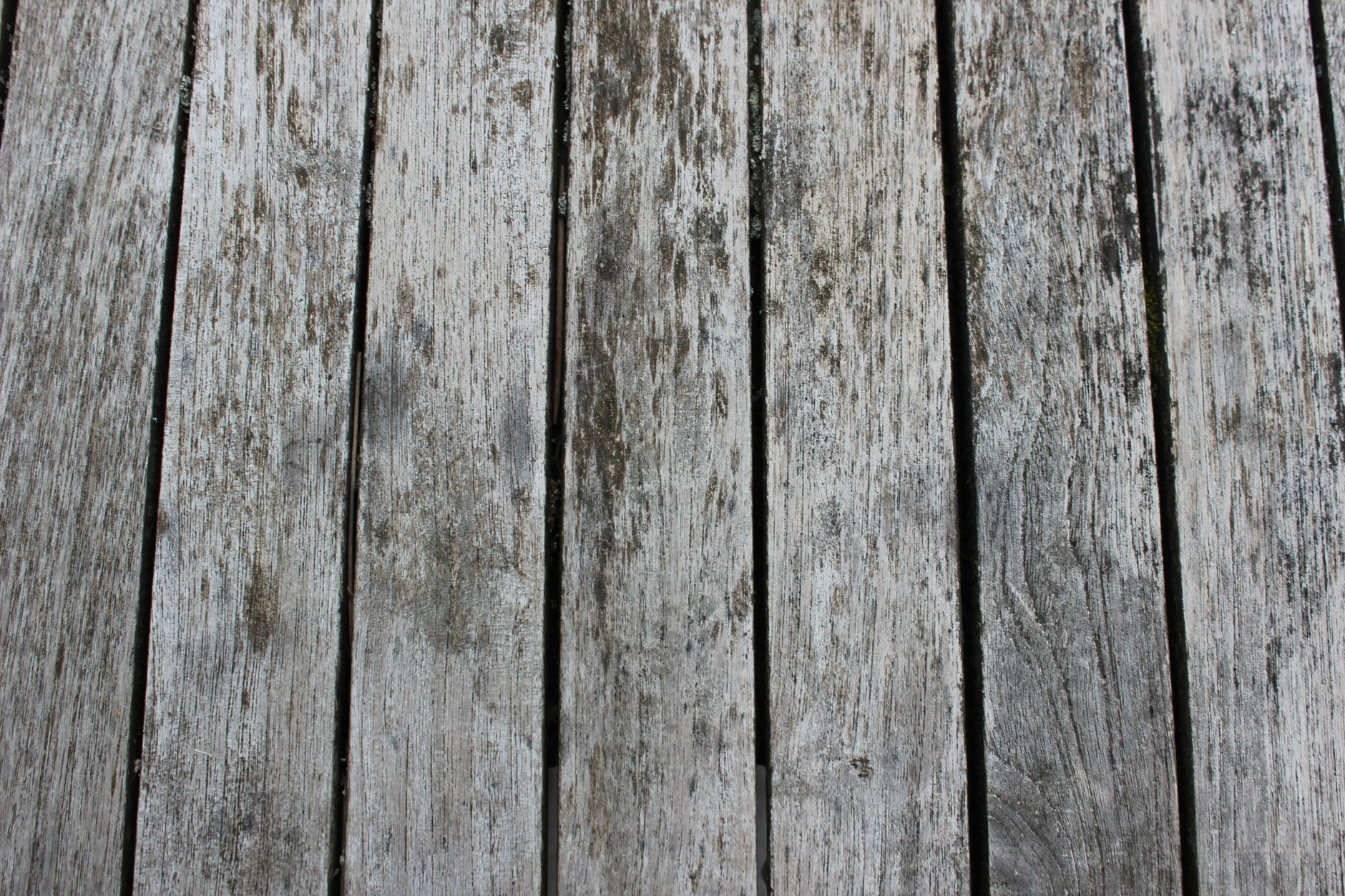
Timber's natural beauty comes at the cost of UV vulnerability. Even hardwoods fade significantly within 12-18 months without protection. Treated pine can turn grey within months, while hardwoods develop a silver patina that some homeowners love but others find unsightly.
Without regular maintenance, timber decking in Australian conditions will develop surface checking, cupping, and potential structural issues from moisture cycling and UV degradation.
Performance in coastal salt air environments
Coastal environments present additional challenges with salt-laden air accelerating corrosion and degradation. Composite materials are inherently resistant to salt damage, while timber requires marine-grade fixings and more frequent maintenance to prevent accelerated deterioration.
Stainless steel or galvanised fixings are essential for timber in coastal areas, adding to both initial and ongoing costs.
Maintenance Requirements and Long-term Costs
The maintenance story is where composite decking often justifies its higher initial cost over the long term.
Composite decking maintenance schedule
Composite decking requires minimal maintenance – typically just occasional washing with soap and water. Some products benefit from annual cleaning with specialised composite cleaners, but there's no staining, sealing, or structural repairs required.
Most composite manufacturers recommend pressure washing (on low settings) and removing debris regularly to prevent staining, but these are simple tasks that take hours rather than days.
Timber staining, sealing and replacement needs
Timber decking demands significant ongoing investment. In Australian conditions, most timber decks need restaining or sealing every 2-3 years to maintain appearance and structural integrity. This process involves:
- Cleaning and preparing the surface (1-2 days)
- Applying stain or sealer ($15-25 per litre covering 8-12m²)
- Labour costs if hiring professionals ($30-50 per m²)
Additionally, individual boards may need replacement due to warping, splitting, or damage, typically 5-10% of boards every 8-12 years.
10-year cost comparison including maintenance
How much does composite decking cost compared to timber in Australia over a decade? For a 20m² deck:
| Material | Initial Cost | 10-Year Maintenance | Total 10-Year Cost |
|---|---|---|---|
| Treated Pine | $2,500 | $3,500 | $6,000 |
| Hardwood | $4,000 | $3,000 | $7,000 |
| Composite | $5,000 | $200 | $5,200 |
These figures include materials, labour, and replacement boards, showing composite becoming cost-competitive within the first decade.
Lifespan and Durability: Which Material Goes the Distance?
Longevity is perhaps the most important factor when choosing decking materials for Australian conditions.
Expected lifespan of composite vs different timber types
Which decking material lasts longer in Australian sun composite or timber? Composite decking typically lasts 25-30 years with minimal maintenance, while timber varies significantly:
- Treated pine: 10-15 years with good maintenance
- Hardwood (spotted gum, ironbark): 15-25 years with regular care
- Premium hardwood (merbau): 20-30 years with excellent maintenance
The key difference is that composite maintains its structural integrity and appearance throughout its lifespan, while timber gradually degrades even with proper care.
Warranty comparisons and what they cover
Most quality composite brands offer comprehensive warranties:
- Structural integrity: 25+ years
- Staining and fading: 10-25 years
- Manufacturing defects: Lifetime
Timber warranties are typically limited to initial defects (6-12 months) with no coverage for natural weathering, making long-term performance a gamble.
Bushfire Safety and BAL Ratings
Bushfire safety is increasingly important for Australian homeowners, particularly in regional areas.
Bushfire resistance of composite materials
Many composite products achieve BAL-12.5 or BAL-19 ratings under AS 3959, making them suitable for moderate bushfire risk areas. Some premium products even achieve BAL-29 ratings, though this varies by manufacturer and specific product lines.
The ModWood composite decking range includes several BAL-rated options suitable for bushfire-prone areas.
Timber decking in bushfire zones
Most timber species struggle to meet higher BAL ratings without additional treatment. While some hardwoods naturally perform better than treated pine, achieving compliance in high-risk areas often requires expensive fire-retardant treatments or alternative designs.
Environmental Impact and Sustainability
Environmental considerations increasingly influence material choices for conscious homeowners.
Recycled content in composite decking
Many composite products contain 90%+ recycled materials, including plastic bags, bottles, and reclaimed timber fibres. This diverts waste from landfills while creating durable building materials.
Quality brands provide detailed sustainability credentials, making them attractive for environmentally conscious builds.
Sustainable timber sourcing in Australia
Australian-grown timber can be highly sustainable when sourced from certified forests. FSC and PEFC certifications ensure responsible harvesting practices, though this often comes at a premium price.
Imported timber sustainability varies widely, and transportation impacts must be considered in the overall environmental footprint.
Best Choice for Specific Australian Conditions
Different environments favour different materials based on specific challenges and requirements.
Pool areas and water exposure
What type of decking is best for coastal areas in Australia? Around pools, composite decking excels due to its slip resistance, chlorine resistance, and minimal maintenance requirements. The non-porous surface prevents water penetration and bacterial growth.
Timber around pools requires marine-grade treatment and frequent sealing to prevent water damage and slip hazards.
Coastal properties
Coastal conditions favour composite materials due to their superior salt resistance and minimal maintenance requirements. While initial costs are higher, the reduced maintenance burden and longer lifespan typically provide better value.
Bushfire zones
For bushfire-prone areas, BAL-rated composite products often provide better compliance options than standard timber, though specific product selection is crucial for meeting local requirements.
Making Your Decision: Which Decking Material Wins?
Is composite decking worth the extra cost over treated pine? The answer depends on your priorities, budget, and specific conditions.
Choose composite decking if you:
- Want minimal maintenance
- Live in harsh UV or coastal environments
- Plan to stay in your home long-term
- Value consistent appearance over time
- Need bushfire compliance
Choose timber decking if you:
- Have budget constraints for initial outlay
- Love natural timber aesthetics
- Don't mind regular maintenance
- Plan to sell within 5-10 years
- Have specific design requirements favouring timber
Bottom Line
For most Australian conditions, composite decking provides superior long-term value despite higher upfront costs. The combination of minimal maintenance, excellent UV resistance, and 25+ year lifespan typically outweighs the initial price premium within the first decade.
However, timber remains a valid choice for budget-conscious homeowners who appreciate natural materials and don't mind regular maintenance. Quality hardwoods can provide excellent service life when properly maintained, though the ongoing commitment is significant.
Consider your specific environment, budget, and lifestyle when making this important decision. Both materials can create beautiful, functional outdoor spaces when properly selected and installed for Australian conditions.