Wet Room vs Traditional Bathroom: Design and Cost Guide for Australian Homes
Quick Summary: Wet rooms create an open, modern bathroom space where the shower area isn't enclosed, requiring specialised waterproofing and drainage. While they cost 20-40% more than traditional bathrooms upfront (typically $15,000-$35,000 vs $8,000-$20,000), they offer superior accessibility, space efficiency, and long-term value. Best suited for small spaces, accessibility needs, or contemporary design preferences, but require careful consideration of Australian building codes and waterproofing standards.
What is a Wet Room vs Traditional Bathroom?
Understanding the fundamental differences between wet rooms and traditional bathrooms is crucial before diving into costs and design considerations. These two approaches represent distinctly different philosophies in bathroom design and functionality.
Key Design Differences Explained
A wet room eliminates the traditional shower cubicle or bath enclosure, creating one continuous waterproof space where water can flow freely across the entire floor. The shower area typically features a gentle gradient towards a central or linear drain, allowing water to flow naturally without pooling.
Traditional bathrooms compartmentalise different functions—shower cubicles, separate toilet areas, and distinct vanity spaces. Water is contained within specific zones using shower screens, curtains, or enclosed shower recesses.
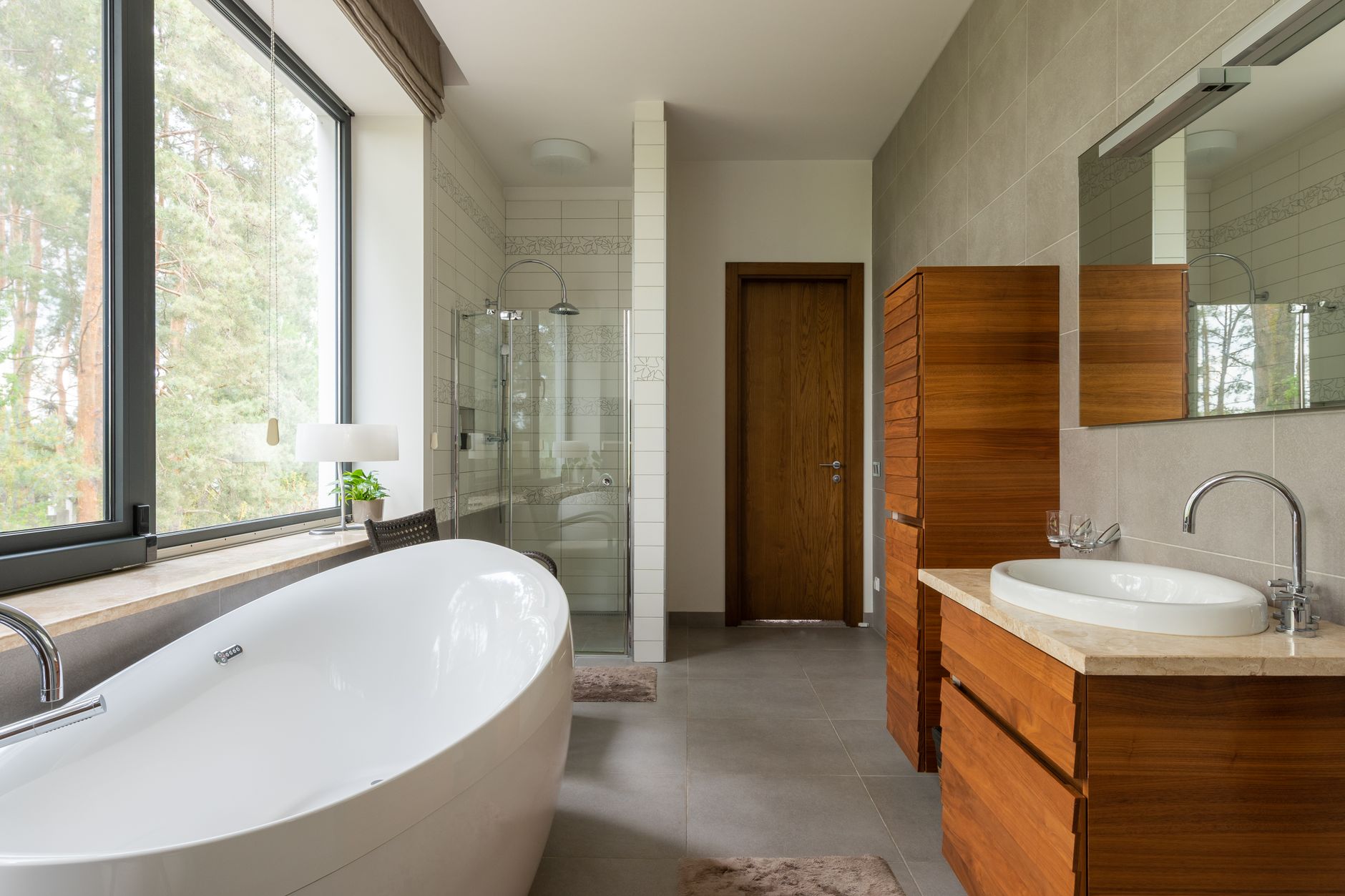
The visual impact is striking. Wet rooms feel more spacious and modern, with clean lines and minimal visual barriers. Traditional bathrooms offer more defined spaces and can feel cosier, particularly in larger homes where the bathroom size isn't a limiting factor.
How Wet Rooms Work in Practice
The magic of wet rooms lies in their drainage and waterproofing systems. The entire floor requires a slight slope (typically 1:100 gradient) directing water towards strategically placed drains. This creates a completely level-access shower experience while ensuring efficient water removal.
Most Australian wet rooms feature either a central point drain or a linear drain running along one wall. Linear drains, like the Tile Insert Linear Shower Drain 900mm , are increasingly popular as they create cleaner sight lines and better water flow management.
The absence of a shower screen doesn't mean water goes everywhere—proper design includes strategic placement of the showerhead and consideration of water spray patterns to minimise splash into other areas.
Cost Comparison: Wet Room vs Traditional Bathroom Installation
The cost difference between wet room and traditional bathroom installations in Australia is significant, primarily due to the specialised waterproofing and drainage requirements of wet rooms.
Wet Room Installation Costs in Australia
Wet room installations typically range from $15,000 to $35,000 for a complete renovation, depending on size, finishes, and complexity. The premium over traditional bathrooms stems from several factors:
Waterproofing represents the largest cost difference. Full wet room waterproofing requires membrane application to walls (usually 1.8 metres high) and floors, costing $3,000-$6,000 compared to $1,500-$3,000 for shower-only waterproofing in traditional bathrooms.
Drainage systems are more complex, requiring precise floor formation and high-quality drains. Professional floor preparation and gradient creation adds $2,000-$4,000 to the project cost.
Tiling costs increase due to the larger surface area requiring waterproof treatment and the precision needed for proper falls. Premium tiles suitable for wet areas, such as Eleganza Large Format Porcelain Tiles , cost $40-$120 per square metre.
| Cost Component | Wet Room | Traditional Bathroom |
|---|---|---|
| Waterproofing | $3,000-$6,000 | $1,500-$3,000 |
| Drainage/Plumbing | $2,500-$4,500 | $1,500-$2,500 |
| Tiling | $4,000-$8,000 | $2,500-$5,000 |
| Fixtures | $3,000-$8,000 | $2,500-$6,000 |
| Labour | $2,500-$8,500 | $1,500-$4,500 |
Traditional Bathroom Renovation Costs
Traditional bathroom renovations in Australia typically cost $8,000-$20,000, offering more budget flexibility and simpler installation requirements. The cost breakdown is more straightforward:
Basic renovations using standard fixtures and tiles from Bunnings can be achieved for $8,000-$12,000. Mid-range renovations with quality fixtures and professional tiling typically cost $12,000-$18,000. Premium renovations with high-end fixtures and custom features reach $18,000-$25,000.
The key advantage is the contained waterproofing requirement—only the shower recess needs full waterproofing treatment, significantly reducing costs and complexity.
Long-term Value and Maintenance Costs
While wet rooms cost more initially, they often provide better long-term value. The seamless design reduces maintenance issues associated with shower screen seals and grout lines. Property valuations typically show 10-15% higher bathroom values for well-executed wet rooms compared to standard renovations.
Insurance considerations favour wet rooms in flood-prone areas, as the entire space is designed to handle water exposure without damage to surrounding areas.

Design Benefits and Space Efficiency
The design advantages of wet rooms extend far beyond aesthetics, offering practical solutions to common Australian housing challenges.
Making Small Bathrooms Feel Larger
In Australia's compact urban homes, wet rooms excel at maximising perceived space. Removing visual barriers like shower screens creates an uninterrupted sight line across the entire bathroom, making even 4-square-metre spaces feel considerably larger.
The continuous flooring treatment—whether tiles, polished concrete, or stone—reinforces this spacious feeling. Light colours and large-format tiles amplify this effect, with 600x600mm or 800x800mm tiles creating fewer visual breaks than smaller alternatives.
Wet rooms also eliminate the dead space often created by shower door swing areas, making every centimetre count in tight spaces.
Modern Aesthetic and Customisation Options
Contemporary Australian homes increasingly favour clean, minimalist aesthetics that wet rooms naturally provide. The absence of frames, seals, and hardware creates a sophisticated, hotel-like appearance that appeals to modern sensibilities.
Customisation opportunities exceed those of traditional bathrooms. Floor-to-ceiling tiling, integrated niches, and seamless transitions between different areas create bespoke looks difficult to achieve with enclosed showers.
Popular Australian wet room trends include exposed aggregate floors, large-format stone tiles, and integrated LED strip lighting along linear drains or wall niches.
Waterproofing and Australian Building Code Requirements
Waterproofing represents the most critical aspect of wet room design, with Australian standards requiring specific approaches to ensure long-term success.
Wet Room Waterproofing Standards
Australian Standard AS 3740 governs wet room waterproofing, requiring membrane treatment to floors and walls up to 1.8 metres height (or full height in shower areas). This standard ensures wet rooms meet the same waterproofing requirements as traditional shower recesses throughout the entire space.
Key requirements include:
- Continuous membrane application without penetrations
- Proper corner and junction sealing
- Adequate floor falls (minimum 1:100 to drainage points)
- Compliance testing and certification
Professional waterproofers typically use liquid membrane systems like Davco Sanitised Waterproofing Membrane for wet rooms, providing superior flexibility and coverage compared to sheet membranes.
Traditional Bathroom Waterproofing Needs
Traditional bathrooms require waterproofing only in shower recesses and around baths, significantly reducing scope and cost. The contained nature of water exposure means failures typically affect smaller areas and cost less to rectify.
Standard shower recess waterproofing involves floor membranes extending 100mm up walls and wall membranes to 1.8 metres height within the shower area only.
Accessibility and Universal Design Benefits
Wet rooms offer superior accessibility features, making them increasingly popular for aging-in-place renovations and universal design applications.
Aging in Place Considerations
The level-access design eliminates trip hazards associated with shower hobs, reducing fall risks for elderly users. This seamless transition proves invaluable as mobility decreases with age.
Wet rooms accommodate mobility aids more easily than traditional showers. Shower chairs, walking frames, and other equipment move freely throughout the space without navigation challenges posed by screens or raised edges.
Wheelchair and Mobility Access
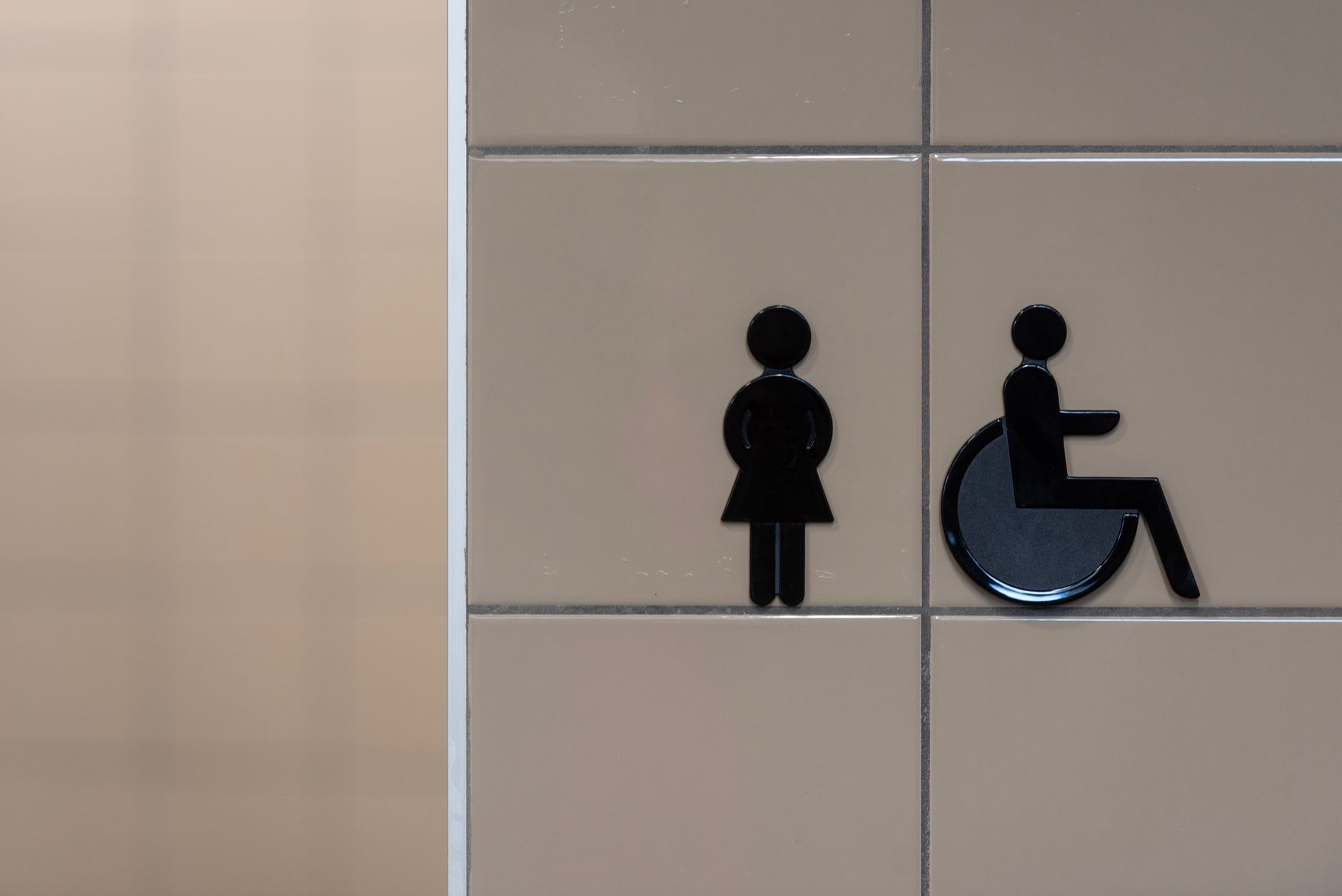
For wheelchair users, wet rooms provide unparalleled accessibility. The open design allows easy maneuvering, while the absence of barriers enables direct shower access from any angle.
Transfer from wheelchair to shower chair becomes simpler without confined spaces or door openings to navigate. The flexibility to position shower controls and fixtures optimally enhances independence and safety.
Maintenance and Cleaning Requirements
Understanding maintenance requirements helps homeowners make informed decisions between wet room and traditional bathroom designs.
Daily Cleaning and Upkeep
Wet rooms require more diligent daily maintenance due to the larger surface area exposed to water and steam. The entire space needs regular cleaning to prevent water spots and soap scum buildup.
However, the absence of shower screens eliminates the tedious cleaning of glass panels and metal frames that traditional bathrooms require. No door seals or tracks mean fewer areas where mould and mildew can accumulate.
Daily squegeeing of walls and floors becomes more important in wet rooms, but the open design makes this task quicker and more thorough than cleaning around shower enclosures.
Long-term Maintenance Considerations
Over time, wet rooms often require less maintenance than traditional bathrooms. The seamless design eliminates common failure points like shower screen seals and door hardware that frequently need replacement.
Grout maintenance remains important in both designs, but wet rooms' typically larger tiles mean fewer grout lines to maintain. Quality grout sealers like Aqua Mix Sealer's Choice Gold help protect against water penetration and staining.
When maintenance issues do arise, wet rooms' open design makes problems easier to identify and address quickly, preventing minor issues from becoming major problems.
Which Option is Right for Your Australian Home?
Choosing between a wet room and traditional bathroom depends on your specific circumstances, budget, and long-term plans.
Wet rooms suit you if you're dealing with small bathroom spaces (under 6 square metres), planning for aging in place, prioritising modern aesthetics, or have accessibility requirements. They're also ideal if you're comfortable with the higher upfront investment for long-term benefits.
Traditional bathrooms remain the better choice for larger spaces where the open feel isn't crucial, tighter budgets requiring staged renovations, rental properties where maximum return on investment matters, or homes where family members prefer separate, defined spaces.
Consider your local climate too—wet rooms work particularly well in Australia's humid coastal areas where traditional shower enclosures can feel claustrophobic and trap moisture.
Bottom Line
The choice between wet rooms and traditional bathrooms ultimately comes down to balancing upfront costs against long-term benefits and lifestyle preferences. Wet rooms cost 20-40% more initially but offer superior space efficiency, accessibility, and modern appeal that can significantly boost property values.
For small Australian homes, accessibility needs, or contemporary design preferences, wet rooms represent excellent investments despite higher costs. Traditional bathrooms remain practical choices for budget-conscious renovations or larger spaces where the wet room advantages don't justify the premium.
Regardless of your choice, invest in quality waterproofing and professional installation—both designs depend on proper execution for long-term success. Consider consulting with experienced bathroom designers who understand Australian building codes and local conditions to ensure your renovation meets both current needs and future requirements.