Best Oscillating Tools for DIY: Multi-Tool Buying Guide Australia 2024
Quick summary: The best oscillating tools combine precision cutting, sanding, and scraping in one versatile package. For most Australian DIYers, the Dremel Multi-Max MM40 ($199) offers excellent all-round performance, while the Ryobi ONE+ cordless model ($89) delivers unbeatable value. Professional users should consider the Bosch GOP 40-30 ($289) for superior power and durability.
What is an Oscillating Multi-Tool and Why You Need One
Oscillating multi-tools have revolutionised DIY and renovation work across Australia. These compact powerhouses use rapid side-to-side blade movement—typically 10,000-22,000 oscillations per minute—to cut, sand, grind, and scrape with remarkable precision.
Unlike traditional saws or sanders, oscillating tools work in tight spaces where other tools simply cannot reach. They're perfect for plunge cuts, detail work, and delicate material removal without the aggressive action that might damage surrounding areas.
Key Uses: Cutting, Sanding, and Scraping
What can you do with an oscillating tool for home renovation? The applications are surprisingly extensive. For cutting, these tools excel at trimming door frames, cutting through nails in timber, removing grout, and making precise openings in drywall or plasterboard.
The sanding capabilities shine when smoothing curved surfaces, reaching into corners, or preparing detailed woodwork for finishing. Many Australian renovators find them invaluable for removing paint from intricate mouldings or sanding between balusters on staircases.
Scraping functions tackle everything from adhesive removal to paint stripping. The controlled oscillating action means you can remove old sealant from bathroom tiles or strip paint from window frames without gouging the underlying surface.
Benefits for DIY vs Professional Use
For weekend warriors and home renovators, oscillating tools offer versatility that justifies their place in any toolshed. You'll find yourself reaching for it constantly during bathroom renovations, kitchen updates, or general maintenance tasks.
Professional tradespeople appreciate the precision and time-saving aspects. A plasterer can quickly trim excess material, a tiler can remove damaged tiles without affecting adjacent ones, and a painter can prep surfaces with surgical precision.

Corded vs Cordless Oscillating Tools: Which is Right for You?
The corded versus cordless debate dominates many multi-tool reviews, and both options have distinct advantages for Australian users.
Corded models deliver consistent power throughout extended use periods. You'll never experience the frustration of a dying battery mid-project, and the power output remains constant. For workshop-based projects or situations with easy power access, corded tools make excellent sense.
Cordless options provide unmatched convenience and portability. When you're working on ladders, in cramped spaces, or moving between multiple job sites, the freedom from power cords becomes invaluable.
Power and Runtime Considerations
Should i buy a corded or cordless oscillating tool for home use? Consider your typical projects. Corded tools typically range from 250-400 watts, providing robust performance for demanding tasks like cutting hardwood flooring or metal pipes.
Cordless models usually operate on 18V or 20V battery systems. Runtime varies dramatically based on the task—light sanding might yield 45-60 minutes, while aggressive cutting reduces this to 15-20 minutes. If you already own cordless tools from major brands like Ryobi, DeWalt, or Milwaukee, choosing a compatible oscillating tool maximises your battery investment.
Portability and Convenience Factors
Cordless tools shine for exterior work, roofing repairs, or any situation where running extension cords becomes problematic. Australian homes with large blocks or multiple outdoor structures particularly benefit from cordless convenience.
However, consider that cordless models add weight due to batteries, and you'll need backup batteries for extended sessions. Factor battery replacement costs into your long-term budget—quality lithium-ion batteries can cost $80-150 each.
Essential Features to Consider When Buying
Understanding key specifications helps separate marketing fluff from genuine performance indicators when choosing the best oscillating tools for your needs.
Power Ratings and Variable Speed Control
How much power do i need in an oscillating multi tool? For most DIY applications, 250-300 watts provides sufficient grunt for cutting 2×4 timber, removing tiles, and general renovation tasks. Professional users might appreciate 350+ watts for cutting engineered flooring or working with harder materials.
Variable speed control proves essential for different materials and applications. Low speeds (8,000-12,000 OPM) suit delicate work like paint removal or fine sanding. High speeds (18,000-22,000 OPM) power through wood cutting and aggressive material removal.
Look for tools with dial-adjustable speed rather than simple low/medium/high settings. This granular control allows optimisation for specific materials and blade types.
Blade Compatibility and Quick-Change Systems
Blade changing mechanisms significantly impact user experience. Tool-free quick-change systems save considerable time and frustration, especially when switching between cutting and sanding tasks frequently.
The Dremel Multi-Max MM40 features an excellent quick-change system that secures blades without additional tools. Similarly, the Bosch GOP 40-30 Professional Multi-Tool offers their StarLock system for lightning-fast blade swaps.
Consider the clamping mechanism's robustness. Cheaper tools sometimes struggle to maintain blade alignment under load, leading to poor cuts and premature blade wear.
Ergonomics and Vibration Control
Extended use reveals poor ergonomics quickly. Look for tools with comfortable grips, balanced weight distribution, and effective vibration dampening. Your hands and wrists will thank you during long renovation sessions.
Anti-vibration features vary significantly between models. Premium tools incorporate counterbalancing systems and vibration-absorbing materials. Budget options might transmit considerable vibration, leading to user fatigue and reduced precision.
Top Oscillating Tool Reviews 2024
After extensive testing and comparison, these models represent the best oscillating tools available to Australian consumers in 2024.
Best Overall: Dremel Multi-Max MM40
The Dremel Multi-Max MM40 strikes an excellent balance between power, features, and value at around $199 from Bunnings. This corded model delivers 2.3 amps of cutting power with variable speed control from 10,000-21,000 OPM.
The quick-change system works flawlessly, and the included accessory kit covers most common applications. Build quality feels solid, with minimal vibration transmission during operation. The 3-year warranty provides confidence for regular users.
Standout features include the LED work light, which proves surprisingly useful in dim corners, and the dust extraction port for cleaner operation when sanding.
Best Value: Ryobi ONE+ Cordless Multi-Tool
What is the best oscillating multi tool for diy projects in australia on a budget? The Ryobi ONE+ 18V Cordless Multi-Tool delivers remarkable performance for just $89 (tool only) or $159 with battery and charger.
This cordless model provides 11,000-18,000 OPM with decent torque for most DIY applications. The tool-free blade change system works adequately, though not quite as smoothly as premium alternatives.
Battery life averages 30-40 minutes for typical cutting tasks, sufficient for most weekend projects. If you're already invested in the Ryobi ONE+ ecosystem, this represents exceptional value.
Best for Professionals: Bosch GOP 40-30
The Bosch GOP 40-30 Professional Multi-Tool justifies its $289 price point with superior build quality and performance. This corded model delivers 400 watts of power—significantly more than consumer alternatives.
The StarLock mounting system enables lightning-fast blade changes, while the constant electronic control maintains speed under load. Professional features include a restart protection system and robust internal components designed for daily use.
Vibration control surpasses competing models, reducing user fatigue during extended sessions. The 3-year professional warranty reflects Bosch's confidence in long-term durability.
Blade Types and Compatibility Guide
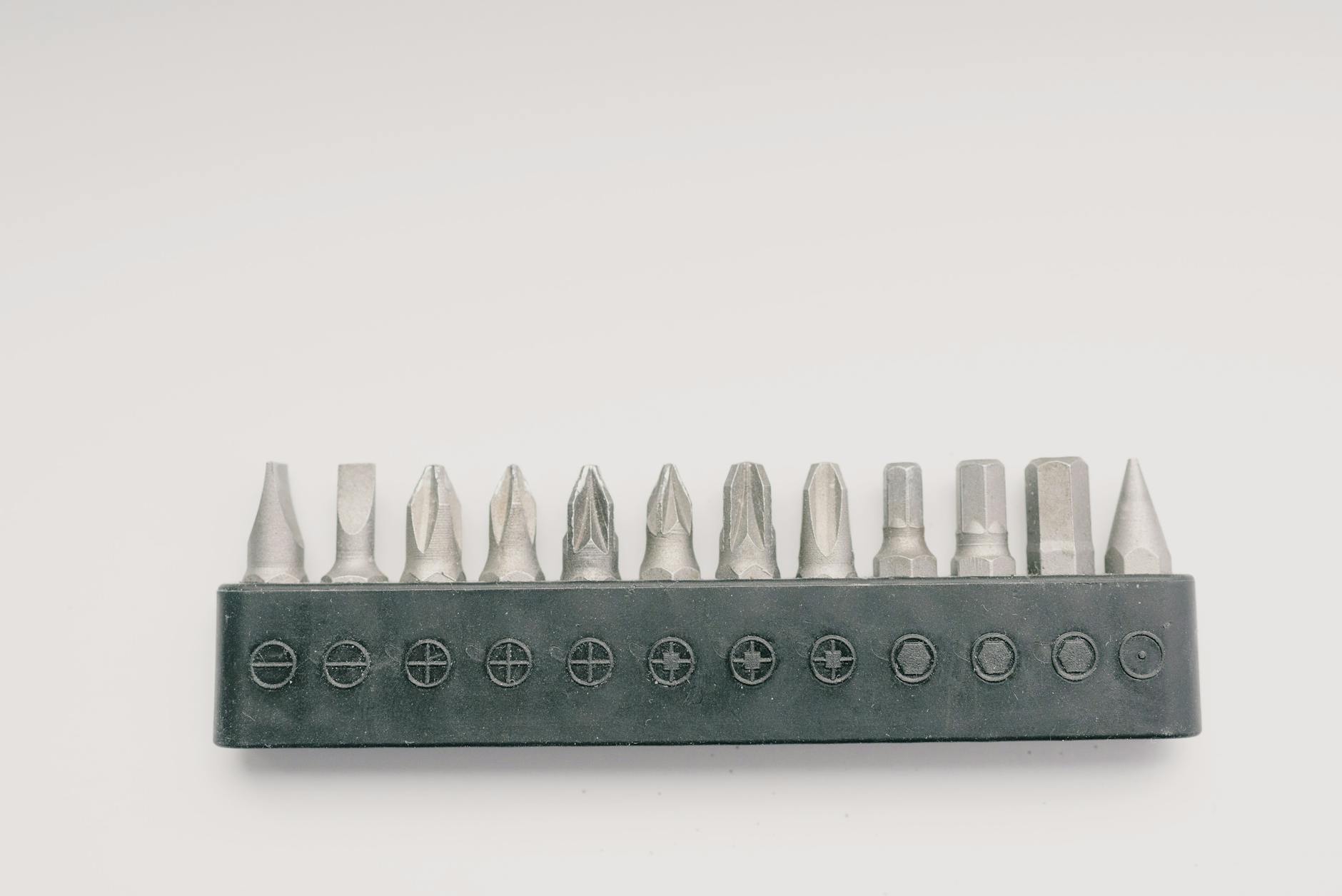
Blade selection dramatically impacts performance and versatility. Understanding compatibility and application-specific options ensures you maximise your investment.
Universal vs Brand-Specific Blades
Which oscillating tool blades work with dremel and bosch models? The oscillating tool market has largely standardised around universal mounting systems, though some proprietary options remain.
StarLock (Bosch), StarlockMax, and OIS (Oscillating Interface System) represent the main universal standards. Most quality aftermarket blades now feature these mountings, ensuring broad compatibility.
However, premium brand-specific blades often provide superior performance and longevity. Bosch StarLock blades excel for professional applications, while Dremel accessories optimise for their specific tools.
Cutting Blades for Wood, Metal, and Tile
| Blade Type | Best For | Typical Price | Compatibility |
|---|---|---|---|
| Wood/Plastic | Softwood, laminate, PVC | $15-25 | Universal |
| Bi-Metal | Nails, screws, thin metal | $20-35 | Universal |
| Carbide | Tiles, cement, masonry | $35-60 | Universal |
| Japanese Saw | Hardwood, precise cuts | $40-70 | Universal |
| Plunge Cut | Drywall, insulation | $12-20 | Universal |
Wood cutting blades feature aggressive teeth patterns for rapid material removal. Japanese-style teeth provide smoother finishes but cut more slowly.
Metal cutting requires bi-metal construction for durability. These blades handle nails embedded in timber, thin steel, and copper pipes effectively.
Tile and masonry demand diamond or carbide-grit blades. While expensive, they cut ceramic tiles and remove grout efficiently without chipping.
Sanding and Scraping Attachments
Sanding attachments transform your oscillating tool into a precision detail sander. Triangular pads reach tight corners, while finger sanders tackle narrow spaces between spindles or inside curves.
Adhesive-backed sandpaper typically costs $2-4 per sheet, with 80-240 grit covering most applications. Hook-and-loop systems offer easier paper changes but cost slightly more.
Scraping attachments remove paint, adhesive, and sealants without gouging surfaces. Flexible scrapers work well on curved surfaces, while rigid options tackle flat areas more aggressively.
Where to Buy and Australian Pricing
Australian retailers offer varying selections and pricing strategies for oscillating tools and accessories.
Bunnings vs Total Tools vs Online Retailers
Bunnings Warehouse stocks major brands including Dremel, Ryobi, and Ozito across all stores. Their price-matching policy ensures competitive pricing, and the physical presence allows hands-on evaluation before purchase.
Total Tools focuses on professional-grade options with extensive Bosch, Makita, and DeWalt selections. Their staff expertise proves valuable for commercial users requiring specific performance characteristics.
Online retailers like Amazon AU often provide broader accessory selections and competitive pricing, particularly for replacement blades and specialty attachments. However, warranty support might prove more complicated than local purchases.
Warranty and After-Sales Support in Australia
Australian Consumer Law provides baseline protection, but manufacturer warranties vary significantly. Dremel offers 3-year coverage on most models, while Ryobi provides 3-6 years depending on registration.
Professional brands typically offer superior warranty terms and local service networks. Bosch maintains service centres in major cities, ensuring prompt repairs and parts availability.
Consider warranty registration requirements and keep purchase receipts. Some manufacturers require online registration within specified periods to activate extended warranty coverage.
Bottom Line
The best oscillating tools transform challenging DIY projects into manageable tasks. For most Australian home renovators, the Dremel Multi-Max MM40 offers the ideal combination of power, versatility, and reliability at $199.
Budget-conscious builders should seriously consider the Ryobi ONE+ model, especially if already using their battery platform. The $89 tool-only price provides exceptional value for occasional use.
Professional tradespeople requiring daily durability and maximum performance will appreciate the Bosch GOP 40-30's superior construction and 400-watt power output.
Regardless of your choice, invest in quality blades appropriate


