
Best Angle Grinders Australia: Corded vs Cordless Power Tools
Quick summary: Angle grinders are one of the most versatile tools in any shed, handling everything from tile cutting to rust removal to metal fabrication. Corded grinders offer unbeatable power and runtime for heavy jobs, while cordless power tools have closed the gap enough for most renovation work. This guide compares both, breaks down disc sizes and safety features, and lines up prices from Bunnings, Total Tools and Amazon AU so you can pick the right grinder without overspending.
Angle grinders don't get the glory that drills and saws do, but ask any tradie or serious DIYer and they'll tell you it's one of the first tools they reach for. Cutting tile, grinding welds, stripping paint, slicing through rusted bolts — one disc change and it does the lot.
The tricky part is choosing between corded grinders and cordless power tools, and then picking the right size and disc for the job at hand. Let's sort it out.
Corded vs Cordless Angle Grinders: Which Is Right for You?
What is the difference between corded and cordless angle grinders? It comes down to three things: power delivery, runtime, and where you can use them.
Corded grinders plug straight into mains power, so they deliver consistent, uninterrupted power for as long as you need it. Cordless grinders run on lithium-ion battery platforms, trading a bit of top-end power for the freedom to work anywhere — no extension cords, no generators on site.
For most home renovators, the decision usually comes down to how often you're grinding and where.
Power and Runtime Comparison
Corded grinders typically draw between 750W and 2400W, and that power never drops off. A Makita GA9020 9-inch angle grinder pulls 2200W and will happily chew through steel beams all day without slowing down.
Cordless grinders are rated in voltage and amp-hours rather than watts, but the good ones — think 18V or 36V platforms from Makita, Milwaukee or DeWalt — now match corded performance for anything under heavy industrial use.
Runtime is the real trade-off. A 5.0Ah battery on a mid-size cordless grinder might give you 20-30 minutes of continuous grinding before you need a swap. If you're doing a full day of metal fabrication, corded still wins. If you're doing an afternoon of tile cutting or rust removal around the house, cordless is more than enough.
Weight and Portability Differences
Cordless grinders are usually a touch heavier due to the battery pack, but you gain enormous portability. No cord means no tripping hazards, no working out how to reach power on a roof or in a shed with no power point.
Corded grinders are lighter in the hand but you're always managing a lead, which matters a lot when you're up a ladder or working in tight spaces.
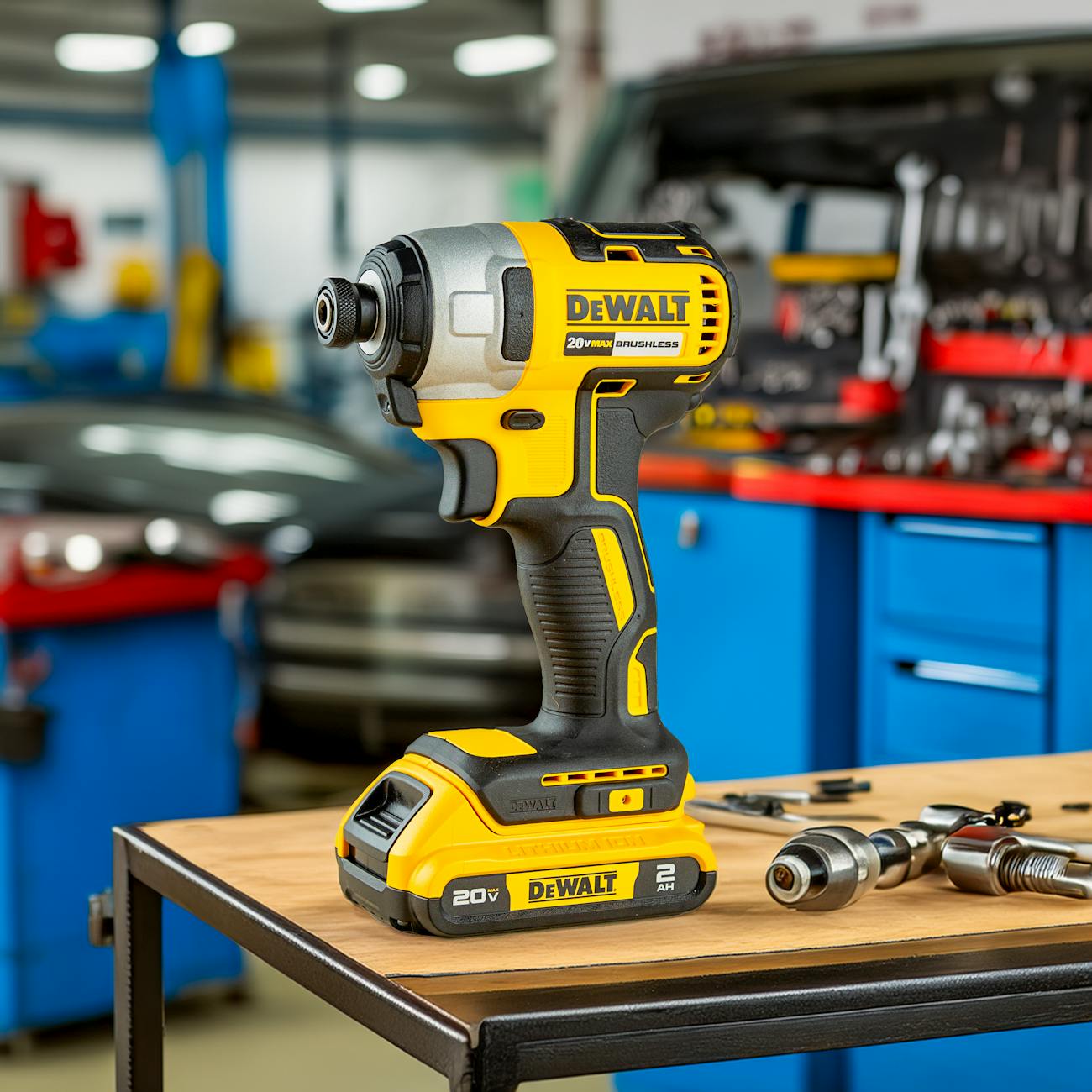
Is a cordless angle grinder powerful enough for renovation work? For 90% of home renovation tasks — cutting tiles, trimming pavers, grinding rusty fence posts, cleaning up welds — yes. The Milwaukee M18 FUEL 125mm angle grinder is a genuine corded replacement for most jobs and costs around $299 for the skin (tool only).
Top Angle Grinders for Cutting Tiles
What size angle grinder do I need for cutting tiles? For most tile work around the home, a 100mm or 125mm grinder fitted with a diamond blade is the sweet spot. Anything bigger becomes hard to control on delicate porcelain or ceramic tiles.
The Bosch GWS 750-100 angle grinder is a popular budget choice at around $99 from Bunnings, and it's plenty for cutting tiles, notching edges around pipes, and shaping pavers.
If you want something you'll also use for occasional metalwork, step up to the DeWalt DWE4237 125mm angle grinder , priced around $159 at Total Tools. It's got a bit more grunt for mixed tasks without becoming unwieldy for tile cutting.
A few tips for tile cutting specifically:
- Always use a diamond blade rated for tile or porcelain, not a metal cutting disc
- Cut in short, light passes rather than forcing the blade through
- Wet-cutting attachments reduce dust dramatically if you're doing a full bathroom reno
Best Angle Grinders for Grinding Metal and Removing Rust
Can you use an angle grinder to remove rust from metal? Absolutely — it's one of the most common uses. Fit a flap disc or a wire wheel attachment and an angle grinder will strip rust off steel gates, trailers, tools and fence posts far faster than sanding by hand.
For dedicated metal grinding and rust removal, a 115mm or 125mm grinder with decent power is ideal. The Makita GA5030 125mm angle grinder is a workshop favourite at around $109, offering 720W of corded power that's reliable for daily rust and paint stripping jobs.
If you're doing heavier fabrication — thick steel, welds, structural cutting — a 9-inch grinder like the Makita GA9020 mentioned earlier gives you the disc size and power to get through material fast.
For cordless rust removal jobs around the property (no power point needed), the Milwaukee M18 FUEL is again a strong pick, especially if you already own Milwaukee batteries from other cordless power tools.
Disc Compatibility and Accessories to Consider
Which angle grinder disc should I use for grinding metal? A flap disc (also called an abrasive flap wheel) is the go-to for general metal grinding, weld cleanup and rust removal. Cutting discs are thinner and designed purely for slicing through metal, not grinding a surface smooth.
Wire wheels and wire cup brushes are better for light rust and paint removal where you don't want to remove much base metal.
Here's a quick breakdown of common disc types:
| Disc Type | Best Use | Typical Price (AUD) |
|---|---|---|
| Cutting disc (metal) | Slicing steel, bolts, rebar | $3-$8 each |
| Diamond blade | Tile, stone, concrete | $15-$45 |
| Flap disc | Grinding welds, shaping metal | $6-$12 |
| Wire wheel/cup brush | Rust and paint removal | $8-$20 |
| Sanding/polishing pad | Finishing, paint prep | $5-$15 |
Choosing the Right Disc Size
Disc size must match your grinder — you can't fit a 125mm disc on a 100mm grinder or vice versa. Most home workshops get the most mileage from 115mm-125mm grinders, since discs in this range are widely stocked at Bunnings and Mitre 10 and cover almost every home task.
Bigger grinders (180mm-230mm) need larger discs that cost more and are typically only necessary for trade or heavy fabrication work.
Essential Safety Features to Look For
Angle grinders spin discs at thousands of RPM, so safety features aren't optional extras — they're essential.
Look for:
- Kickback brake — stops the disc almost instantly if the grinder catches or binds
- Paddle switch or lock-off trigger — prevents accidental start-up
- Adjustable guard — shields your hands and body from sparks and debris
- Anti-vibration handle — reduces fatigue on longer jobs
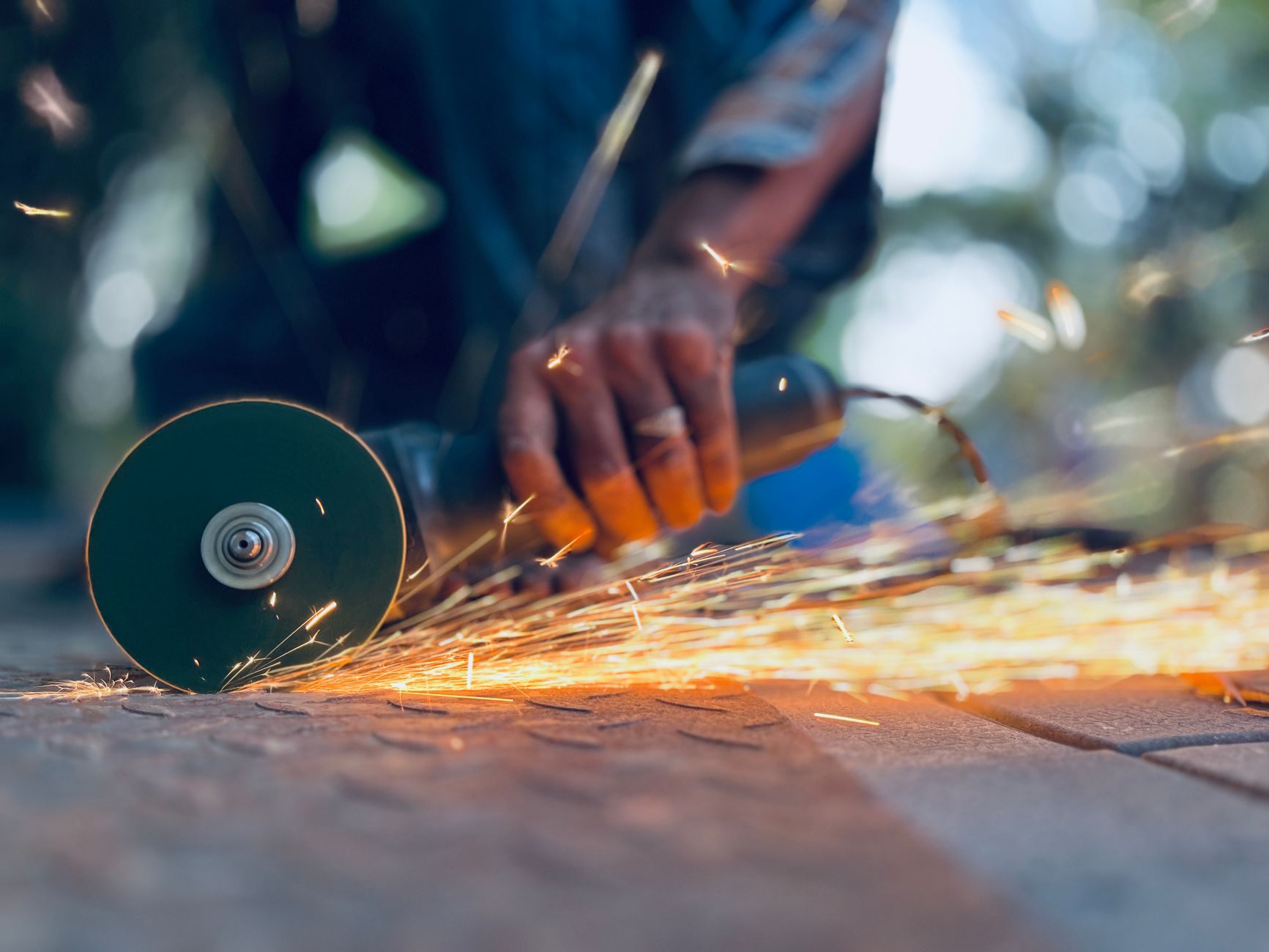
Beyond the tool itself, always wear safety glasses or a face shield, hearing protection, and gloves. A leather apron is worth it if you're doing a lot of metal grinding, since sparks travel further than people expect.
Value for Money: Comparing Prices at Major Australian Retailers
Prices vary more than you'd expect between retailers, so it pays to compare before buying, especially for corded grinders where the tool is the whole cost (no battery platform to consider).
| Retailer | Entry-Level Corded (100-125mm) | Mid-Range Cordless (18V) | Heavy-Duty (9-inch) |
|---|---|---|---|
| Bunnings | $69-$99 | $199-$349 (kit) | $249-$399 |
| Total Tools | $89-$159 | $249-$399 (skin only) | $299-$449 |
| Amazon AU | $79-$149 | $189-$329 | $259-$419 |
Bunnings tends to win on entry-level corded grinders and battery kits with charger included. Total Tools is usually cheaper on trade-grade skins if you already own batteries. Amazon AU is worth checking for bundle deals, especially around sale periods.
Final Verdict: Best Angle Grinder for Your Project
If you're doing occasional tile cutting, light rust removal or general home maintenance, a corded 100-125mm grinder like the Bosch GWS 750-100 gives you excellent value without locking you into a battery ecosystem.
If you're already invested in a cordless power tools platform — Makita, Milwaukee or DeWalt — the 18V grinders in that range are genuinely capable of most renovation work and mean one less cord to manage.
For serious metal fabrication or all-day trade use, corded still rules, and a 9-inch grinder like the Makita GA9020 will outlast almost any cordless option on runtime and raw power.
Bottom Line
There's no single "best" angle grinder — there's the best one for what you're actually doing. Match the disc size to your task, prioritise safety features over saving $20, and buy into a cordless platform only if you'll use the batteries elsewhere. Get those three things right and any of the grinders above will serve you well for years.


