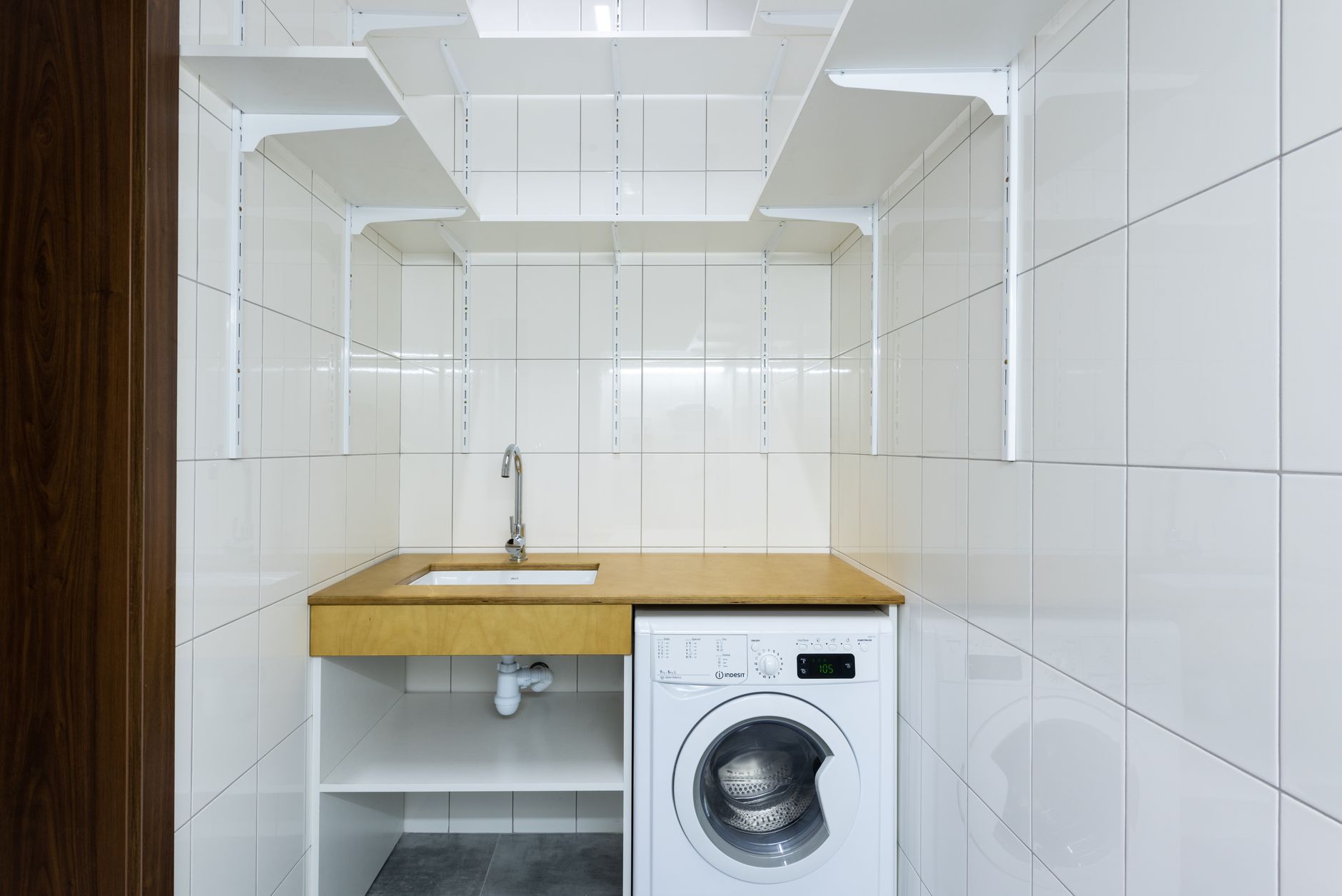
Timber vs Tile vs Concrete: Best Flooring for Australian Laundries
Quick summary: For most Australian laundries, porcelain tile or waterproof vinyl plank offers the best balance of moisture resistance, durability and cost. Polished concrete is excellent for new builds, while engineered timber is the riskiest choice and best avoided unless it's fully sealed and away from splash zones. Budget $40–$120 per square metre depending on material, plus installation.
Why Laundry Flooring Needs Special Consideration
The laundry copies a lot of punishment that other rooms never see.
It's usually the wettest room in the house after the bathroom, but with an added twist: a washing machine that vibrates, occasionally overflows, and sometimes leaks slowly for weeks before anyone notices.
Choosing the best laundry flooring means thinking beyond looks. You need something that copes with constant moisture, resists staining from detergent spills, and won't warp or lift if a hose fitting fails at 2am.
Moisture, Vibration and Water Exposure Challenges
Three things set laundry flooring requirements apart from the rest of the house:
- Constant humidity – especially in laundries without external ventilation or in homes without dryers vented outside.
- Sudden water events – washing machine hose failures are one of the most common home insurance claims in Australia.
- Vibration and weight – a front-loader full of wet towels can weigh over 80kg and shakes the floor during spin cycles.
Any flooring installed in a laundry needs to handle all three without cracking, lifting, or growing mould underneath.
Engineered Timber Flooring for Laundries
Is timber flooring suitable for a laundry room? Generally, no — not as a first choice.
Engineered timber looks fantastic and works well in open-plan living areas that flow into the laundry, which is why people ask about it. But timber and standing water are fundamentally incompatible, even with engineered products that have a plywood core.
Some higher-end engineered boards, like Preference Floors engineered oak flooring , carry better moisture tolerance than solid timber, but none are truly waterproof.
Pros, Cons and Moisture Ratings
Pros:
- Matches adjoining living areas for a seamless look
- Warmer underfoot than tile or concrete
- Can increase resale appeal in open-plan designs
Cons:
- Swells and delaminates if water sits on the surface
- Not rated for wet areas under the National Construction Code
- Voids most manufacturer warranties if installed in laundries
If you're set on timber for visual continuity, use it only in the walkway approaching the laundry, and switch to tile or vinyl inside the actual wet zone with a threshold strip between them.
Porcelain Tiles for Laundries
Can you put tiles in a laundry with a washing machine? Absolutely — porcelain tile is one of the most popular and sensible choices for Australian laundries.
Porcelain has near-zero water absorption (under 0.5%), making it genuinely waterproof once properly sealed with a quality grout and waterproof membrane underneath. This membrane, not the tile itself, is what actually protects your subfloor.
Popular options at Bunnings include the 300x300mm porcelain floor tiles range, typically priced from $25 to $45 per square metre.
Slip Resistance and Grout Maintenance
Laundry floors get wet, so slip resistance matters. Look for tiles rated R10 or higher on the slip resistance scale — most matte and textured porcelain tiles meet this easily, while high-gloss polished tiles often don't.
Grout is the ongoing maintenance point. Standard cement grout can stain and harbour mould over time. Spending extra on an epoxy grout, or sealing standard grout annually, keeps things looking fresh and prevents moisture creeping through hairline gaps.
| Flooring Type | Water Resistance | Slip Resistance | Cost per m² (supply) | Lifespan |
|---|---|---|---|---|
| Engineered Timber | Poor | Moderate | $60–$120 | 10–20 years |
| Porcelain Tile | Excellent | Good (matte finish) | $25–$60 | 20+ years |
| Polished Concrete | Excellent | Fair (needs sealer) | $50–$100 | 20+ years |
| Vinyl Plank | Excellent | Good | $20–$50 | 10–15 years |
Polished Concrete Flooring
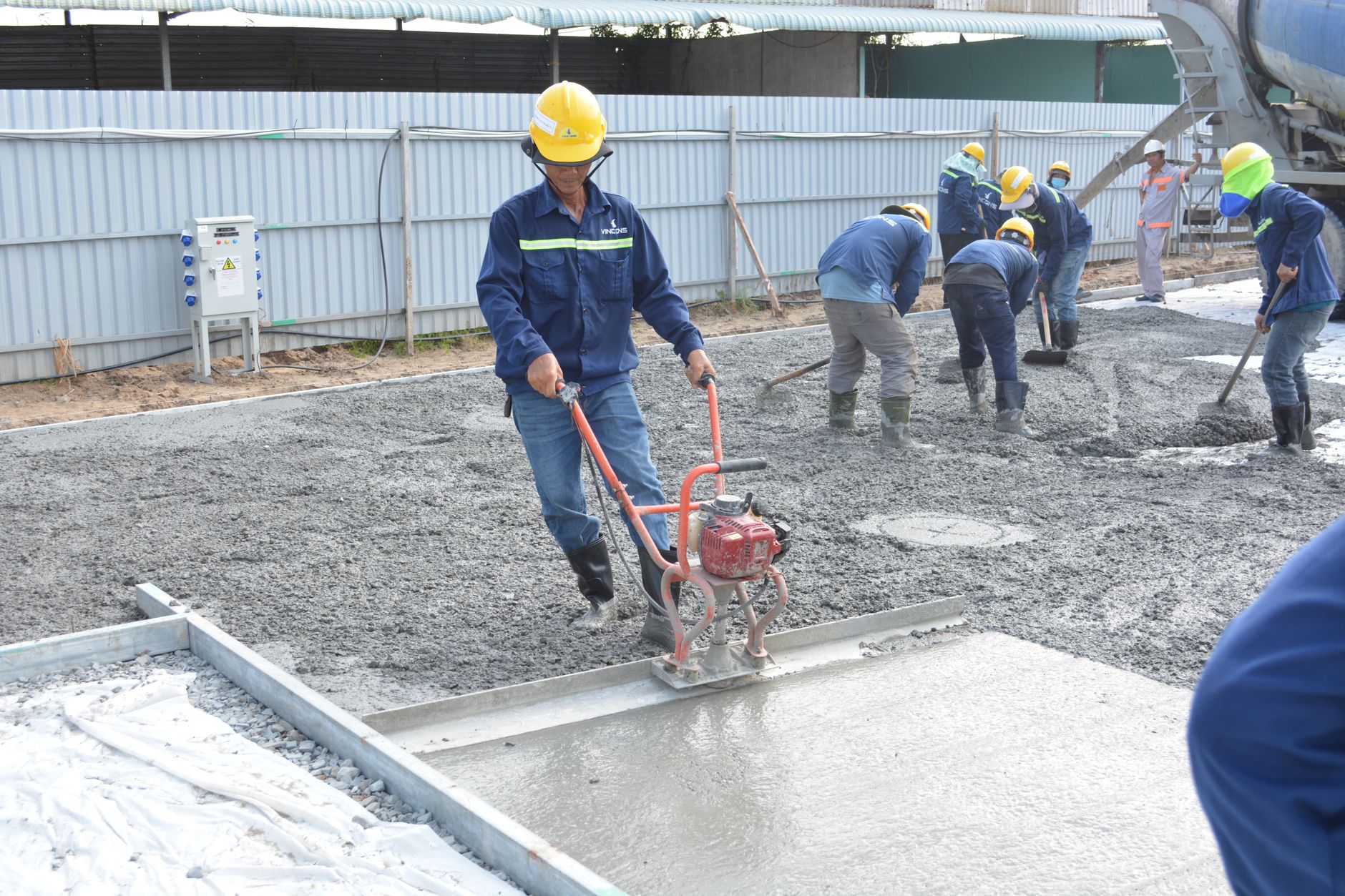
Does polished concrete work well in a small laundry? Yes, particularly in new builds or slab-on-ground homes where the concrete is already there.
Polished concrete is essentially the existing slab ground back and sealed, so it's a natural fit for compact laundries where you want a minimal, seamless look without adding height to the floor build-up — useful when door clearances are tight.
Durability, Sealing and Long-Term Cost
Once sealed with a quality penetrating sealer, polished concrete is virtually impervious to water and detergent spills. It won't crack under the vibration of a washing machine and needs almost no maintenance beyond resealing every 3–5 years.
The catch is upfront cost if you're not working with an existing slab — cutting and polishing new concrete in a small room can actually cost more per square metre than tile, because contractors have minimum job charges.
It's also a hard, cold surface. A rubber-backed mat like the Bungalow Flooring anti-fatigue mat in front of the machine adds comfort and warmth underfoot.
Vinyl Plank Flooring
What is the most waterproof flooring for laundries in Australia? Rigid-core waterproof vinyl plank is hard to beat, and it's increasingly the go-to for renovators on a budget.
Products like Karndean Van Gogh vinyl plank flooring or Bunnings' own SPC (stone polymer composite) ranges are 100% waterproof at the plank level, meaning even prolonged flooding won't cause swelling.
Budget-Friendly Waterproof Option
Vinyl plank installs as a floating floor over most existing surfaces, including tired old tiles, which cuts demolition costs significantly. Supply and install typically runs $50–$90 per square metre — cheaper than a full tile retile job.
It's also warmer and softer underfoot than tile or concrete, which matters if the laundry doubles as a mudroom where kids and pets walk through barefoot.
The main weak point isn't the planks themselves but the seams — in a true flood event, water can find its way underneath if seams aren't tightly locked. For genuine peace of mind, pair vinyl plank with a waterproofed subfloor membrane.
Comparing Cost, Durability and Maintenance
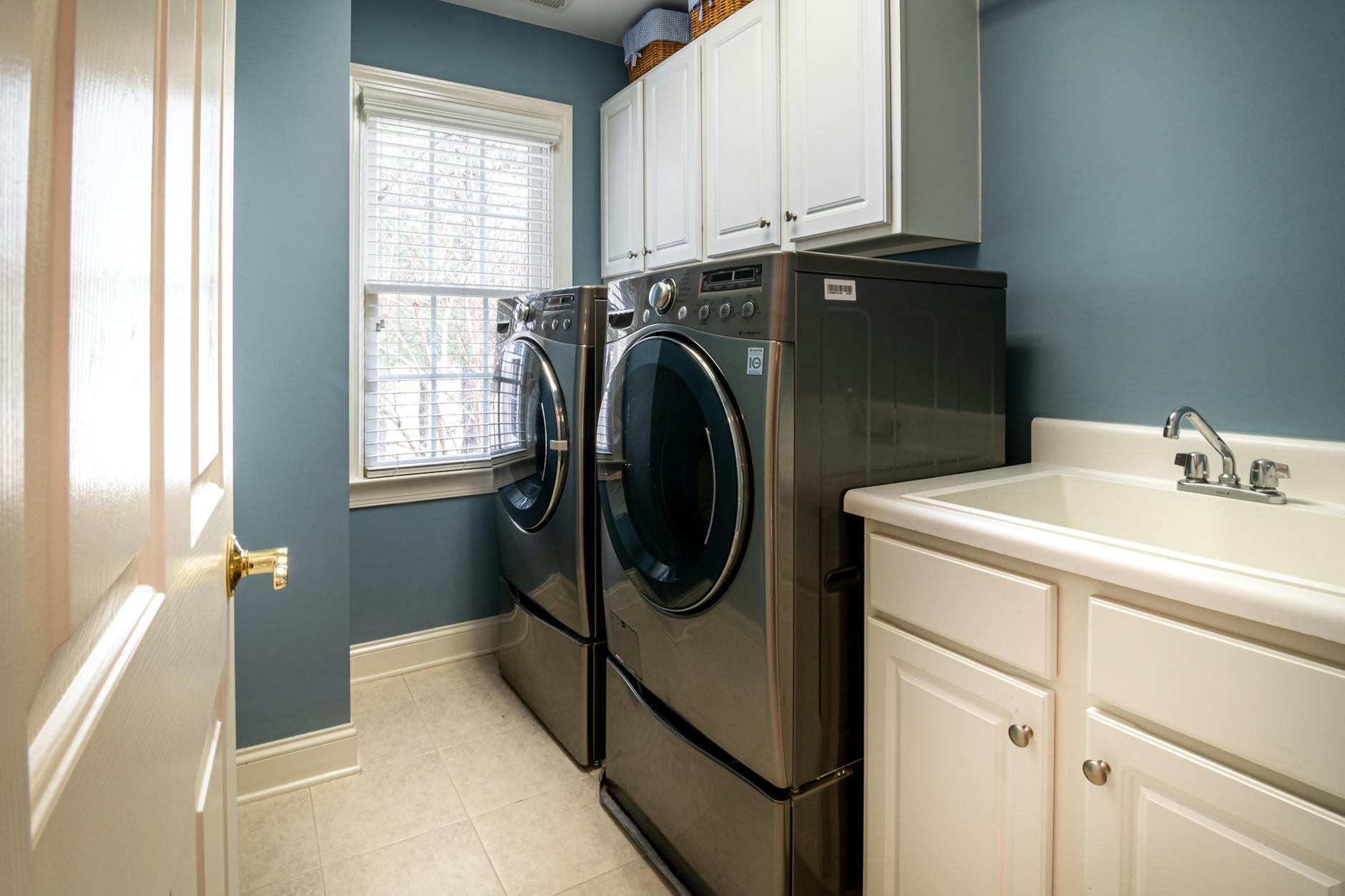
Bringing it together, here's how the four options stack up for a typical 4–6m² Australian laundry:
- Timber – best looks for open-plan flow, worst moisture performance
- Tile – best long-term durability and value, needs professional waterproofing membrane
- Concrete – best for new builds and minimalist design, coldest underfoot
- Vinyl – best budget option, fastest install, good for renovations over existing floors
For tile vs timber flooring specifically, tile wins comfortably in laundries — timber's warmth and aesthetics don't outweigh its vulnerability to water damage in a room built around a water-using appliance.
Which Flooring Is Best for Your Laundry?
What is the best flooring for a laundry in Australia? For most homes, porcelain tile over a waterproofed subfloor is the safest, longest-lasting choice, and it's what most licensed waterproofers and builders default to.
If you're renovating on a budget or want a fast DIY-friendly install, waterproof vinyl plank is an excellent second choice with performance that rivals tile.
Choose polished concrete if you're building new and want a seamless, low-maintenance slab finish. Reserve engineered timber for laundries that open directly into living areas, and only with a tiled or vinyl transition zone around the machine itself.
Bottom Line
There's no single "best" laundry flooring for every home — but there is a clear ranking for water resistance: porcelain tile and waterproof vinyl plank sit at the top, polished concrete is a strong option for new slabs, and timber should be treated with caution regardless of what the sales brochure claims.
Match the flooring to your budget, your subfloor, and how much water risk you're realistically managing, and you'll get a laundry floor that outlasts the washing machine sitting on top of it.