How to Replace a Kitchen Tap: Complete DIY Installation Guide
Quick Summary: Replacing a kitchen tap is a manageable DIY project that can save you $200-400 in plumber costs. With basic tools from Bunnings and 2-3 hours, you can upgrade your kitchen tap yourself. The key steps are turning off water supply, removing the old tap, preparing connections, and installing the new fixture with proper testing.
Wondering if you can replace a kitchen tap yourself in Australia without calling a tradie? The answer is absolutely yes. Most homeowners with basic DIY skills can tackle this project in an afternoon, saving significant money while upgrading their kitchen's functionality and appearance.
The process involves working with water connections under your sink, but it's far less complex than major plumbing work. With Australian building standards allowing homeowner tap replacement, you can confidently take on this project with the right preparation and tools.
Tools and Materials You'll Need from Bunnings
Before starting your kitchen tap replacement, gather these essential tools and materials. Having everything ready prevents mid-project trips to Bunnings when you're dealing with disconnected water lines.
Essential Tools:
- Adjustable spanner set (250mm and 300mm) - $25-35
- Pipe wrench - $18-25
- Basin wrench or tap spanner - $15-22
- Screwdrivers (Phillips and flathead) - $8-12
- Torch or headlamp for under-sink visibility - $12-20
- Bucket for catching water - $5-8
- Old towels for cleanup
Materials You'll Need:
- New kitchen tap (prices vary $50-500+)
- Kinetic flexible tap connectors or braided hoses - $8-15 each
- Thread sealing tape (PTFE tape) - $2-4
- Plumber's putty or silicone sealant - $6-10
- New tap washers if required - $3-5
The Craftright adjustable spanner set from Bunnings at around $28 provides excellent value for occasional DIY use. For the tap itself, consider your sink configuration and choose between mixer taps, separate hot/cold taps, or pull-out spray models.
Step 1: Turn Off Water Supply and Prepare
The first critical step in any tap replacement is safely shutting off your water supply. This prevents flooding and allows you to work confidently on the connections.
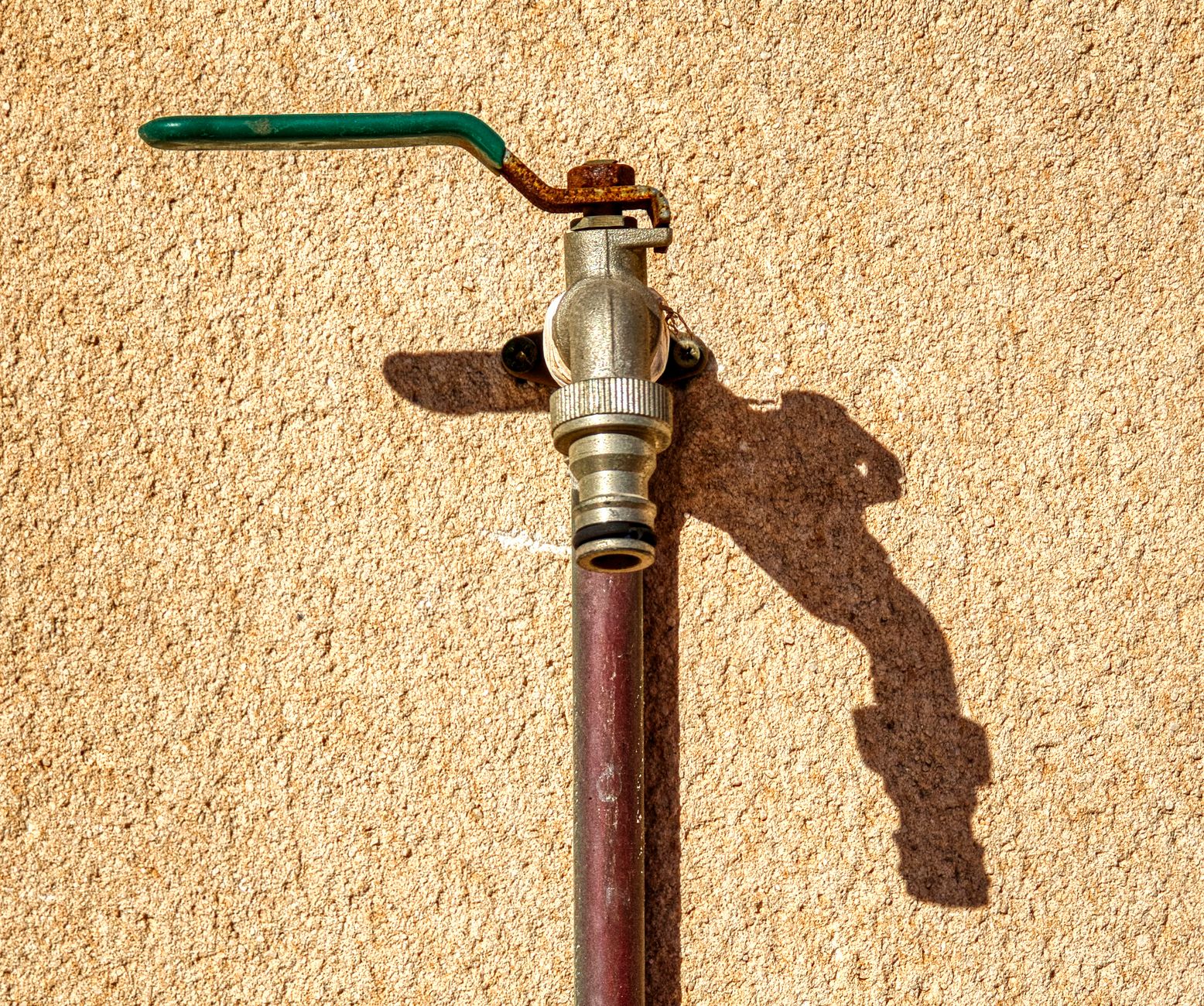
Locate Your Water Isolation Valves: Check under your kitchen sink for individual stop taps on the hot and cold water lines. These small valves typically turn clockwise to close. If you can't find under-sink valves, you'll need to turn off your home's main water supply at the metre.
Prepare Your Workspace: Clear everything from under the sink to give yourself maximum working room. Lay down old towels to catch any residual water. Position your torch or headlamp for optimal visibility - you'll be working in cramped, poorly lit conditions.
Test the Water Shut-off: After closing the valves, turn on your kitchen tap to drain remaining water from the lines. If water continues flowing, double-check your valve positions or locate the main water shut-off.
How long does it take to replace a kitchen tap DIY? Most homeowners complete the job in 2-3 hours, including preparation and testing time.
Step 2: Remove Your Old Kitchen Tap
With water safely shut off, you can begin removing your existing tap. This step often presents the biggest challenges due to tight spaces and potentially corroded fittings.
Disconnect Water Supply Lines: Using your adjustable spanner, carefully loosen the flexible connectors or copper pipes connected to your tap. Turn anticlockwise, supporting the tap body to prevent twisting. Expect some residual water spillage - this is normal.
Remove Mounting Hardware: Kitchen taps typically secure with a large nut underneath the sink. Use your basin wrench or tap spanner to loosen this mounting nut. The cramped under-sink space makes this the most physically challenging part of the job.
Dealing with Different Mounting Systems
Australian kitchen taps use several mounting systems. Single-hole mixers mount through one central hole with a threaded shank. Traditional separate taps require two holes with individual mounting nuts. Some modern taps use a deck plate system spanning multiple holes.
Identify your mounting type before purchasing a replacement. Measure hole spacing - standard Australian sinks use 180mm centres for separate taps.
Removing Stuck or Corroded Taps
Old taps often resist removal due to mineral buildup or corrosion. Apply penetrating oil like WD-40 and allow 15-20 minutes for penetration. Use gentle heat from a hair dryer to help loosen stubborn connections.
Never force connections excessively - you risk damaging sink threads or splitting pipes. If connections won't budge after reasonable effort, consider calling a plumber rather than causing expensive damage.
Step 3: Prepare for New Tap Installation
Proper preparation ensures your new tap installs smoothly and functions reliably for years.
Cleaning and Inspecting the Sink
Thoroughly clean the tap mounting area, removing old putty, corrosion, and debris. Inspect the sink holes for damage or wear. Minor scratches are acceptable, but cracks or severe corrosion may require sink replacement.
Check that your new tap's mounting requirements match your sink configuration. Some modern taps require larger holes than older models.
Understanding Australian Tap Connection Types
Australian plumbing uses specific thread standards and connection types. Most modern taps use 1/2" BSP (British Standard Pipe) threads for water connections. Flexible braided connectors typically feature 1/2" female threads on both ends.
The Kinetic braided tap connectors 450mm provide excellent reliability at around $12 each. These replace old copper pipes with flexible, easier-to-install alternatives.
Ensure your new tap includes Australian-compliant backflow prevention if required by local regulations.

Step 4: Install Your New Kitchen Tap
Installing your new tap reverses the removal process, with attention to proper sealing and secure connections.
Position the New Tap: Place your tap through the mounting hole(s), ensuring proper alignment. For mixer taps, verify the spout faces the desired direction before tightening mounting hardware.
Apply Sealing: Use plumber's putty or silicone around the tap base to prevent water leakage. Don't over-apply - excess sealant creates messy cleanup challenges.
Secure Mounting Hardware: From underneath, thread on the mounting nut and tighten firmly but not excessively. Over-tightening can crack ceramic sinks or damage tap threads.
Connecting Flexible Hoses
Modern tap installation typically uses flexible braided hoses for water connections. These simplify installation compared to rigid copper pipes.
Connect hoses finger-tight plus 1.5 turns with your spanner. The Caroma flexible tap tails offer excellent quality for around $15 each and include built-in check valves.
Ensure hot water connects to the tap's hot inlet (usually marked with red or "H"). Cold water connects to the cold inlet (blue or "C" marking).
Common Australian Tap Styles and Fittings
Mixer Taps: Single spout with combined hot/cold control. Require one mounting hole and two water supply connections.
Separate Taps: Traditional hot and cold taps requiring two mounting holes and individual water supplies.
Pull-out Spray Taps: Include retractable spray heads requiring additional clearance and sometimes electrical connections for LED indicators.
Choose taps certified to Australian standards (AS/NZS 3718) for guaranteed compatibility and performance.
Step 5: Test and Troubleshoot
Thorough testing prevents future problems and ensures your installation meets expectations.
Restore Water Supply: Slowly open your isolation valves, watching for leaks at all connection points. Turn taps on gradually - sudden full pressure can damage new seals.
Check for Leaks: Inspect all connections, including mounting points and supply line joints. Minor weeping is acceptable initially but should stop within minutes as seals settle.
Test Functionality: Verify smooth operation of handles, proper hot/cold water delivery, and adequate flow pressure. Test spray functions if your tap includes pull-out features.
Final Adjustments: Tighten any weeping connections slightly. Adjust tap position if mounting allows rotation.
Is it hard to replace a kitchen tap without a plumber? With proper preparation and tools, most DIY enthusiasts find the job straightforward, though working in cramped under-sink spaces requires patience.
When to Call a Licensed Plumber
While tap replacement is generally DIY-friendly, certain situations warrant professional help:
Call a plumber when:
- Your home has polybutylene or other problematic piping
- Wall-mounted taps require tile removal or wall modification
- Local council regulations require licensed installation
- Existing plumbing shows signs of significant deterioration
- Water pressure issues suggest broader plumbing problems
Cost considerations: DIY replacement costs $60-550 (tap plus materials), while professional installation adds $180-350 in labour charges.
Common Problems and Solutions
Low Water Pressure: Check aerator screens for debris buildup. Remove and clean with vinegar solution.
Dripping from Base: Tighten mounting nut carefully. If dripping persists, check O-ring condition.
Loose Handle: Most tap handles secure with hidden screws under decorative caps. Remove caps and tighten screws.
Inconsistent Temperature: Verify correct hot/cold connections. Some taps include flow restrictors affecting mixing.
| Problem | Quick Fix | When to Call Plumber |
|---|---|---|
| Low pressure | Clean aerator | Persistent after cleaning |
| Base dripping | Tighten mounting nut | Continues after tightening |
| Handle wobble | Tighten handle screws | Handle damage or stripped threads |
| No hot water | Check connections | Broader hot water system issues |
Bottom Line
Replacing a kitchen tap yourself is an excellent DIY project that saves money while upgrading your kitchen's functionality. With basic tools from Bunnings costing under $100 and 2-3 hours of your time, you can install a new tap for significantly less than professional installation costs.
The key to success lies in proper preparation, having the right tools, and working methodically through each step. While the under-sink workspace is cramped and sometimes challenging, the actual plumbing connections are straightforward for most standard installations.
Remember that what tools do you need to replace a kitchen tap comes down to basic spanners, wrenches, and sealing materials - nothing exotic or expensive. Take your time with the removal process, as rushed work often leads to damaged fittings or connections.
If you encounter significant complications or feel uncomfortable with any aspect of the installation, don't hesitate to call a licensed plumber. The cost difference between DIY and professional installation becomes worthwhile if it prevents water damage or ensures proper compliance with local regulations.